Start with the incident, not a decorating order
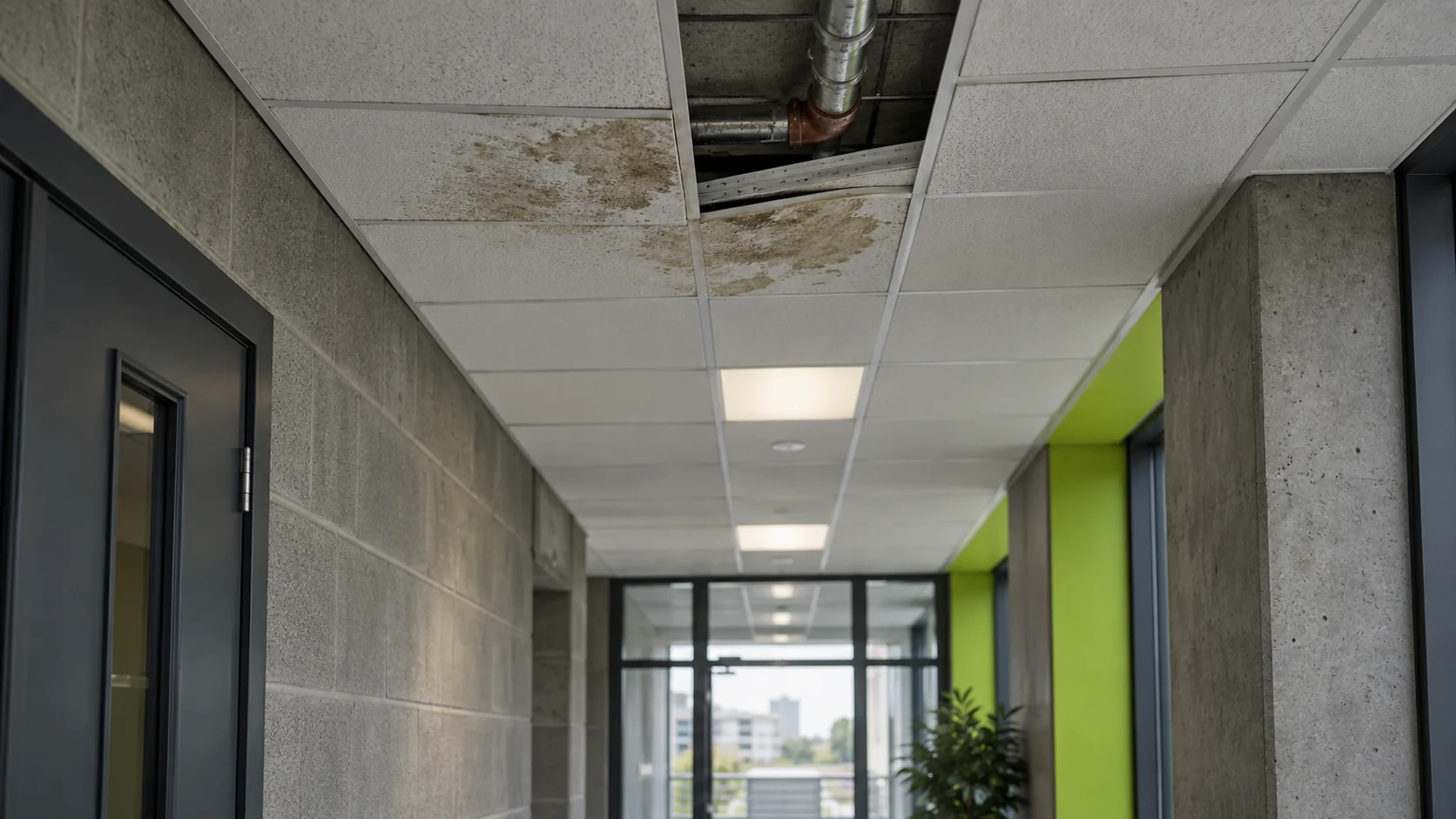
A ceiling stain identifies damage, but does not establish where water entered. Record the room, floor and nearest asset reference, when the symptom started, whether it changes during rainfall or building use, and which neighbouring spaces are affected. Photograph the same viewpoints so later reports can be compared.
Use the site incident procedure to protect occupants and restrict affected areas where necessary. Escalate water near electrical equipment, unstable finishes or other immediate hazards for competent assessment. Keep observation separate from diagnosis: a report saying “water below the plant room” is more useful than an unsupported instruction to replace the roof.
Give one person the investigation brief
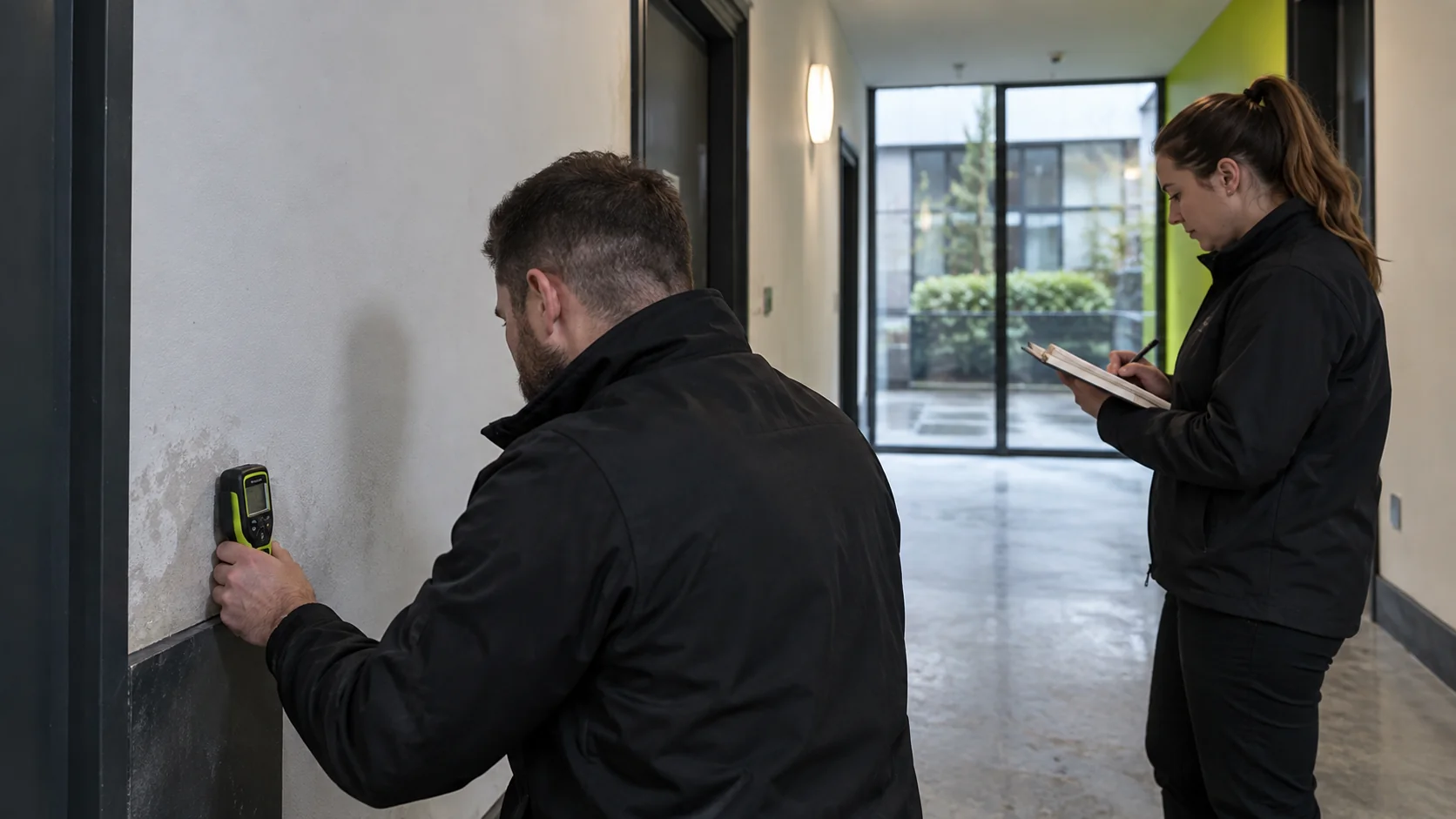
Appoint a site coordinator to bring roofing, building-fabric and plumbing findings together. Issue relevant plans, previous leak reports and recent alteration records. Ask each contractor to identify what they examined, what remains inaccessible and the evidence supporting their proposed cause; otherwise separate visits can produce contradictory repair recommendations.
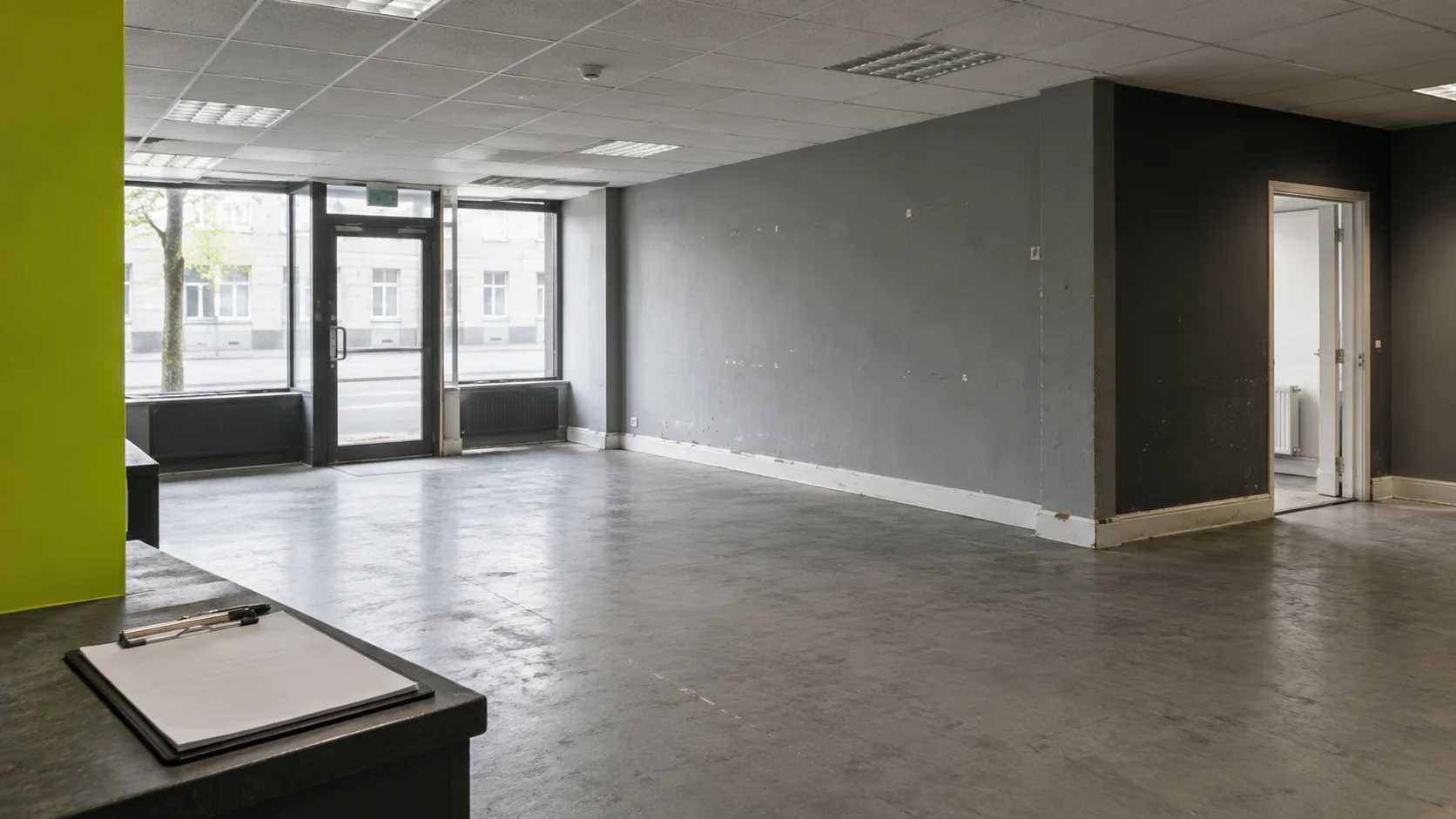
Agree investigation boundaries before arrival. Set out tenant contacts, room availability, escort arrangements and any required permissions for access or opening up. Roof access needs a planned safe method; HSE highlights the danger of fragile roofs and rooflights. Do not send untrained staff onto a roof to trace a leak.
Build a shared evidence checklist
- An incident timeline showing weather, relevant equipment use and changes in the affected area.
- A location plan distinguishing visible damage from each suspected entry point or leaking service.
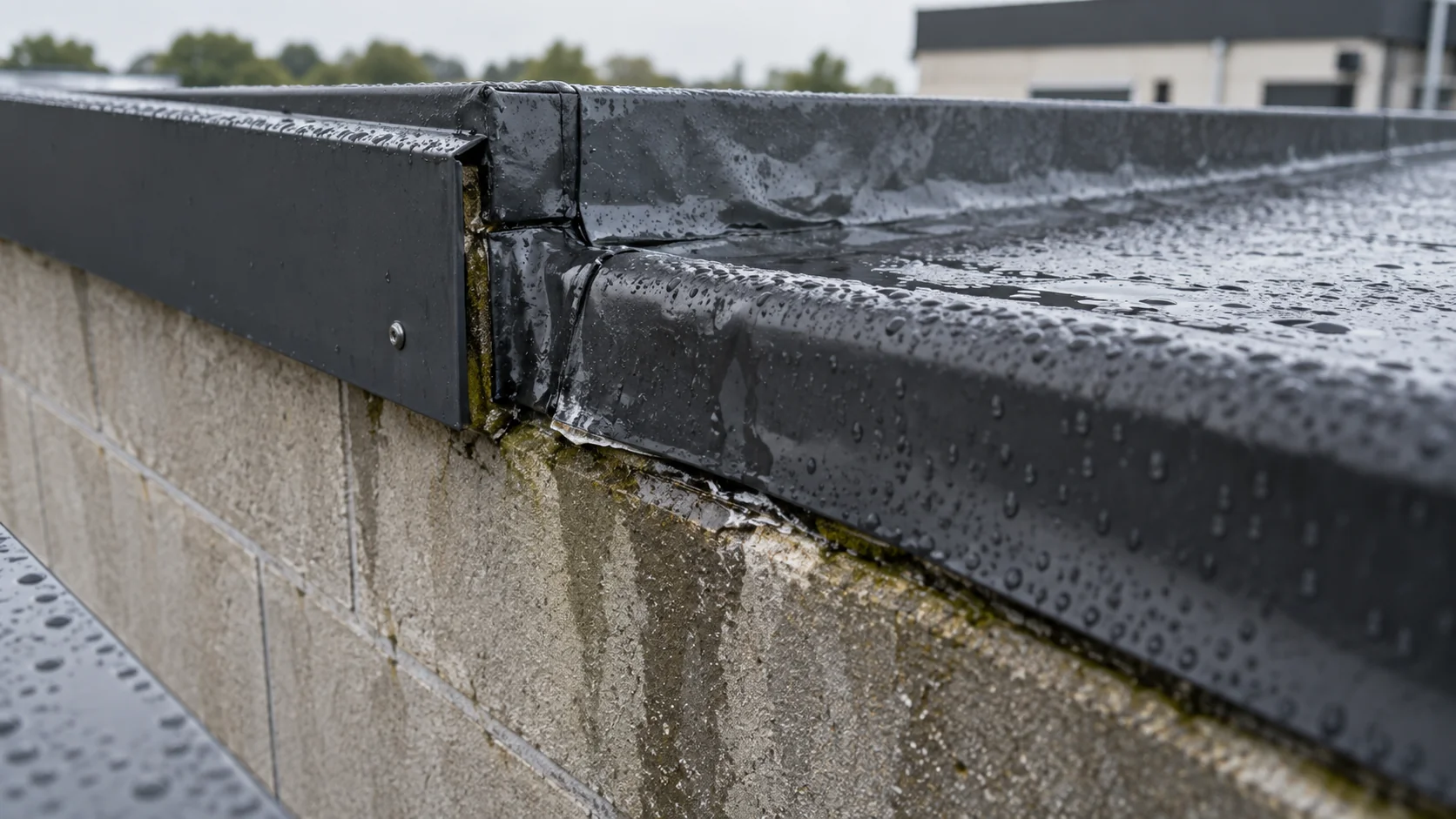
- Findings from accessible roof details, external junctions, rainwater routes and internal services, where relevant.
- Photographs and inspection notes identifying confirmed defects, alternative explanations and areas still unexamined.
- A written next instruction with an owner, access requirements and a limit on additional work without approval.
Separate stopping the leak from closing the ceiling
Ask the investigating contractor to distinguish temporary containment, repair of the identified cause, assessment of concealed damage, drying and reinstatement. These may require separate instructions. A temporary measure should have a recorded limitation and follow-up action so it does not quietly become the completed repair.
Before approving replacement finishes, agree what evidence will demonstrate that the source is controlled and the affected materials are ready. The appropriate checks depend on the construction and findings; a freshly painted surface alone cannot establish that concealed moisture or damage has been resolved. Record any monitoring needed and who will review it.
Frequently asked questions about recurring leaks
Should every trade attend at the same time?
Not necessarily. Start with a coordinated brief and share findings between visits. A joint inspection becomes useful when the suspected route crosses trade boundaries or earlier reports disagree; its purpose should be clear before attendance is booked.
What should remain open after the repair?
Keep unresolved causes, inaccessible areas and recommended monitoring visible in the maintenance record. Record the basis for accepting completion, then compare any recurrence against the original incident rather than opening an unrelated decorating request.
Arrange the next investigation
Use Building Fabric to discuss the affected construction and maintenance options for follow-up coordination. Send the site requirement with the incident history, available evidence and operational restrictions.
Safety reference
For planning access, see HSE guidance on fragile surfaces. It explains the need to manage fragile-surface risks and agree work arrangements with the client; it does not diagnose the cause of a particular leak.
Discuss your building
For a managed site or several buildings, contact Black & White Facilities with the affected areas, operating hours and the person responsible for access. We can discuss the investigation or work you need and what the quotation should cover.