

Retail and Multi-Site Estates connects individual store access and trading constraints with a consistent estate brief.

Different settings.
One considered brief.
Each sector page describes a kind of managed site from the facilities side: who occupies it, how access is controlled, which building systems are connected and what has to keep running while work goes on. Pair it with the relevant service page to build a brief that covers both the setting and the trade, whether for a planned programme or a single reactive job. Our full service catalogue, including every individual service, is available across every listed sector and location. For one site or several, we agree the scope, access and programme around the buildings concerned.
Explore sectors ↓Retail and Multi-Site Estates connects individual store access and trading constraints with a consistent estate brief.
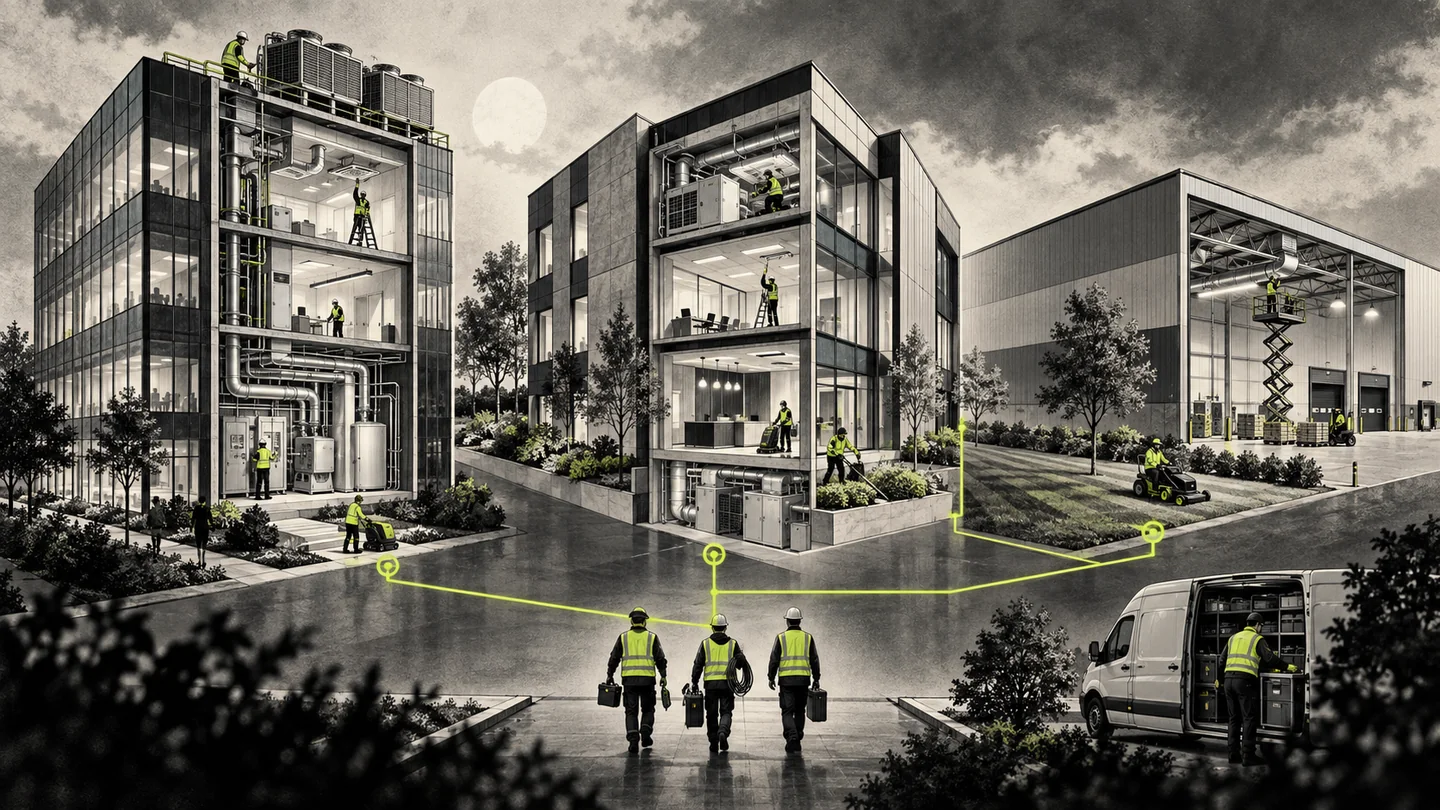
Facilities Management Companies covers instructed tasks, trade coordination and the evidence needed to close work orders.
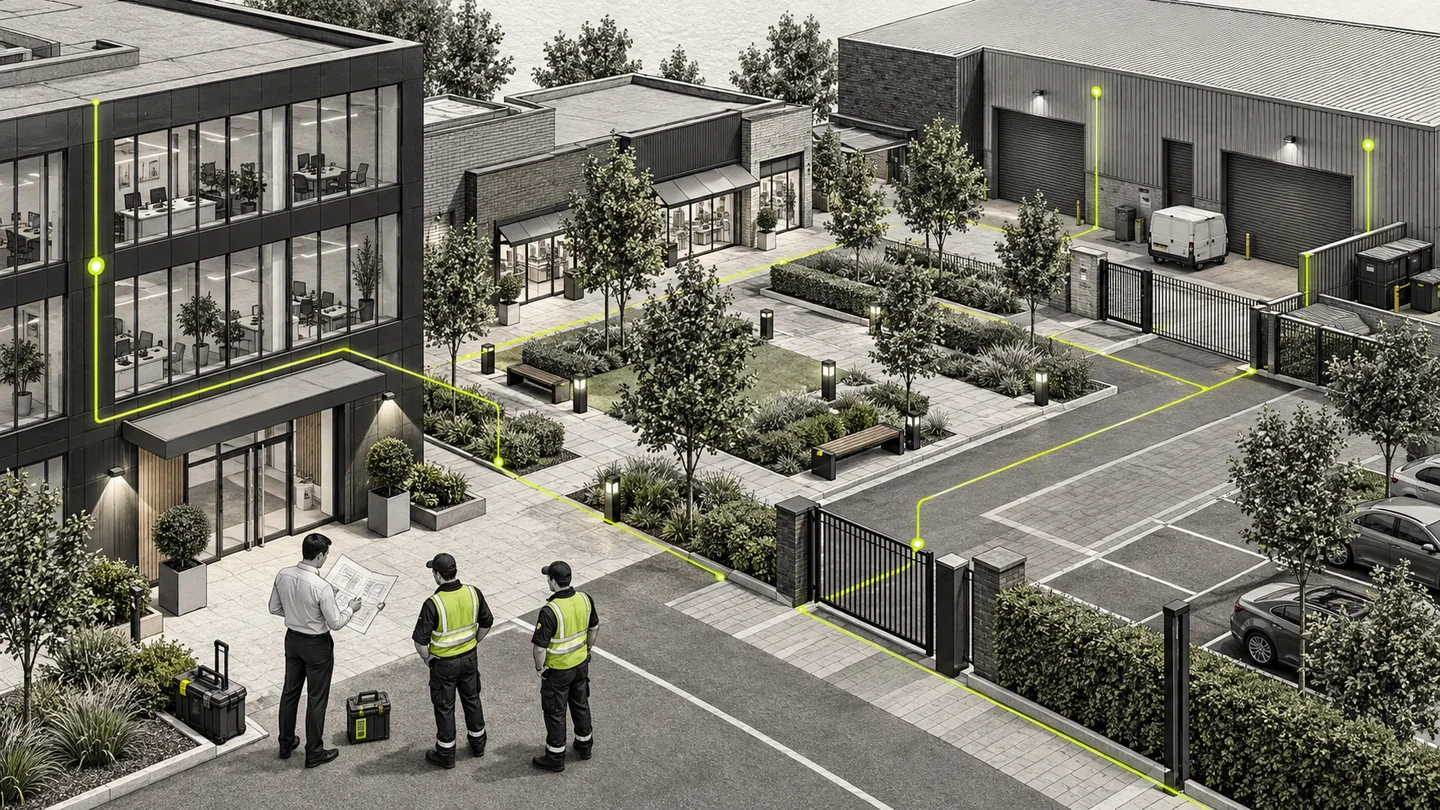
Managing Agents and Property Managers links repair decisions to owner authority, occupier arrangements and each property record.

Hospitality and Restaurants considers how work to kitchens and customer spaces affects connected services and trading.

Offices and Commercial Workplaces brings working layouts, shared facilities and building comfort into the maintenance brief.

Healthcare and Care addresses coordination of building tasks with care provision and the controls set by the site.

Veterinary considers clinical equipment boundaries alongside staff movement, animal care and the practical needs of the premises.
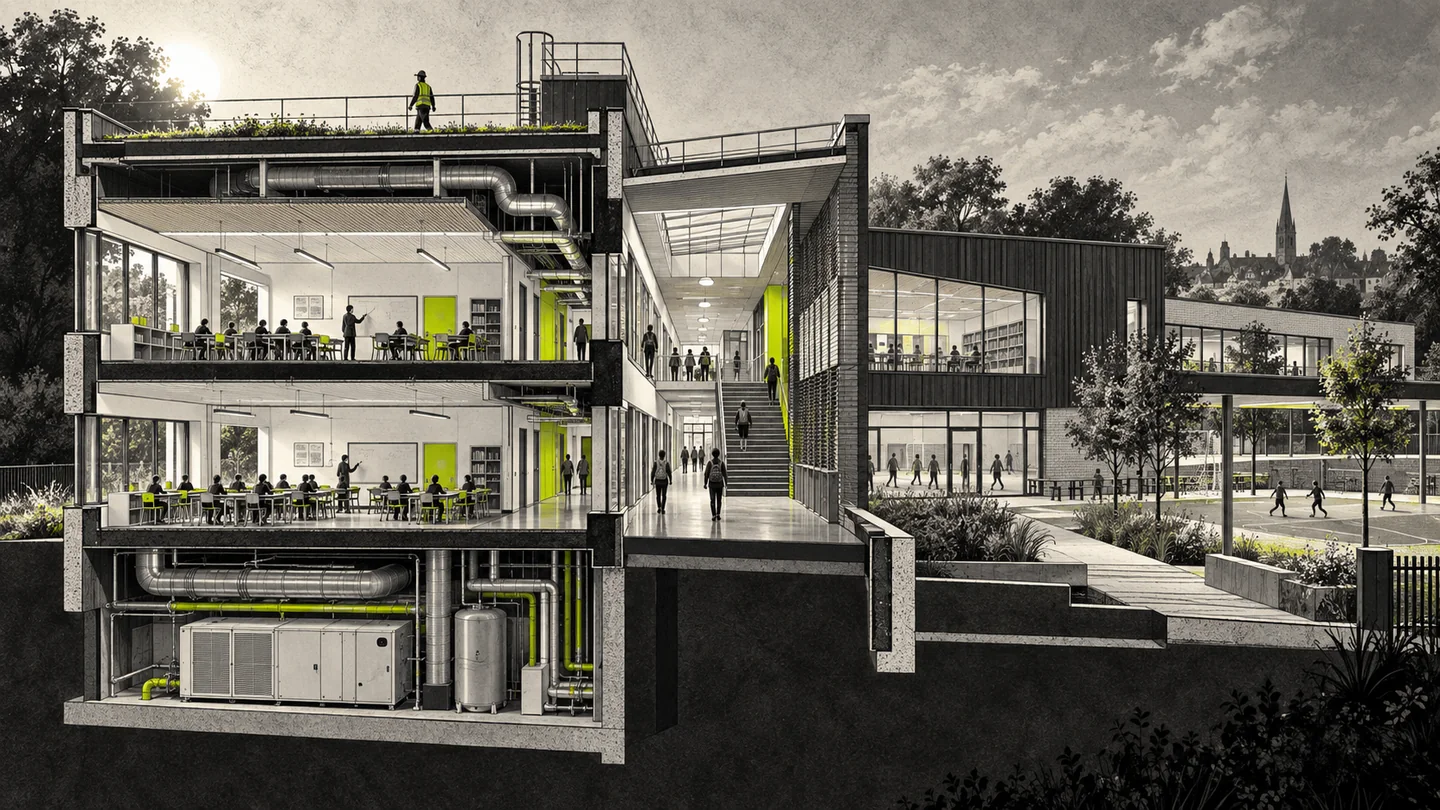
Education puts building condition, teaching commitments and access during term or holidays into one estate context.

Industrial and Manufacturing distinguishes building tasks from production equipment and identifies where shutdown planning is needed.

Warehousing and Logistics focuses on keeping maintenance plans aligned with loading, vehicle movements and goods handling.

Residential Block Management covers communal building elements and services, including the arrangements needed for resident access.
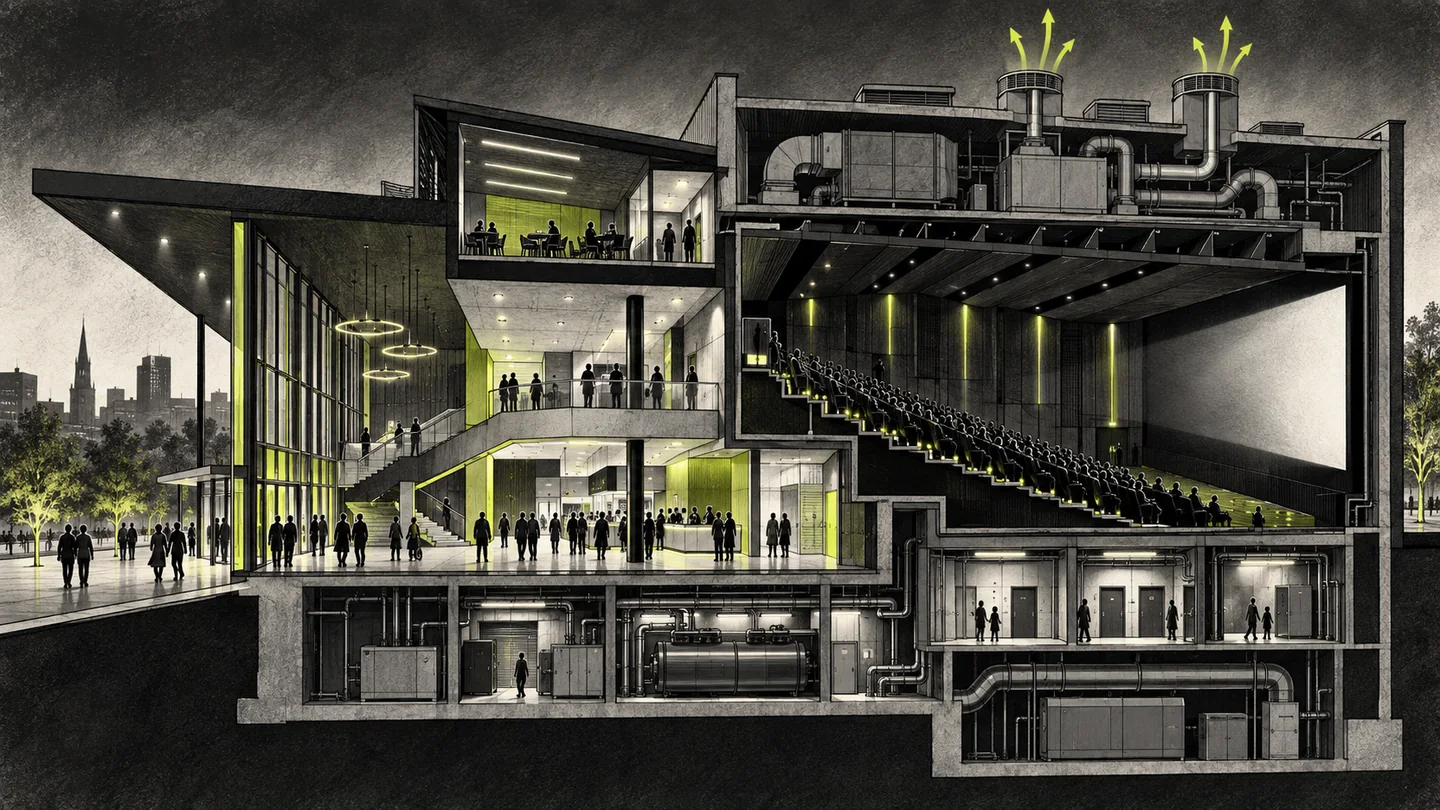
Leisure and Entertainment relates public areas and building systems to the programme of activities at each venue.
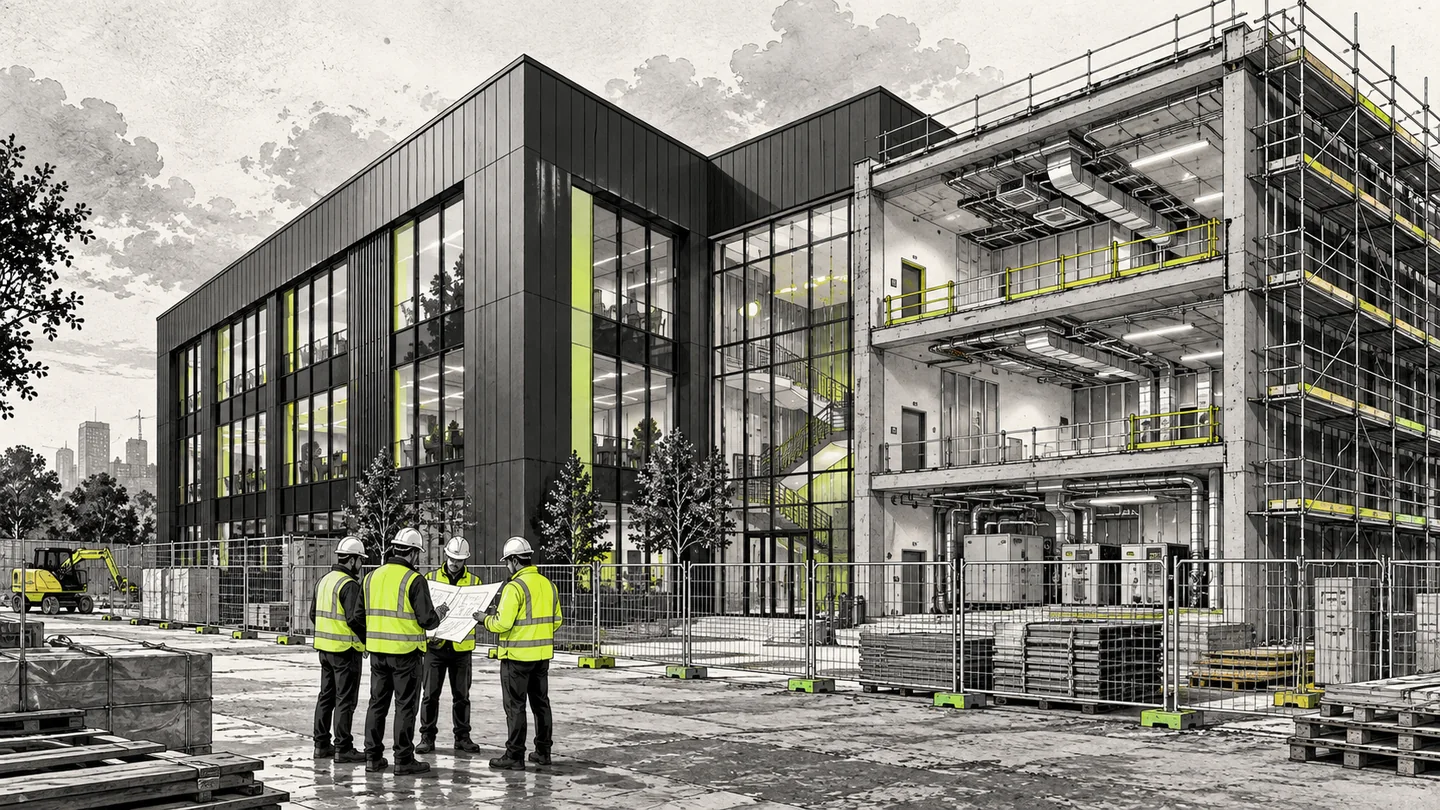
Construction and Development follows work packages from authorised design information through trade coordination to handover requirements.
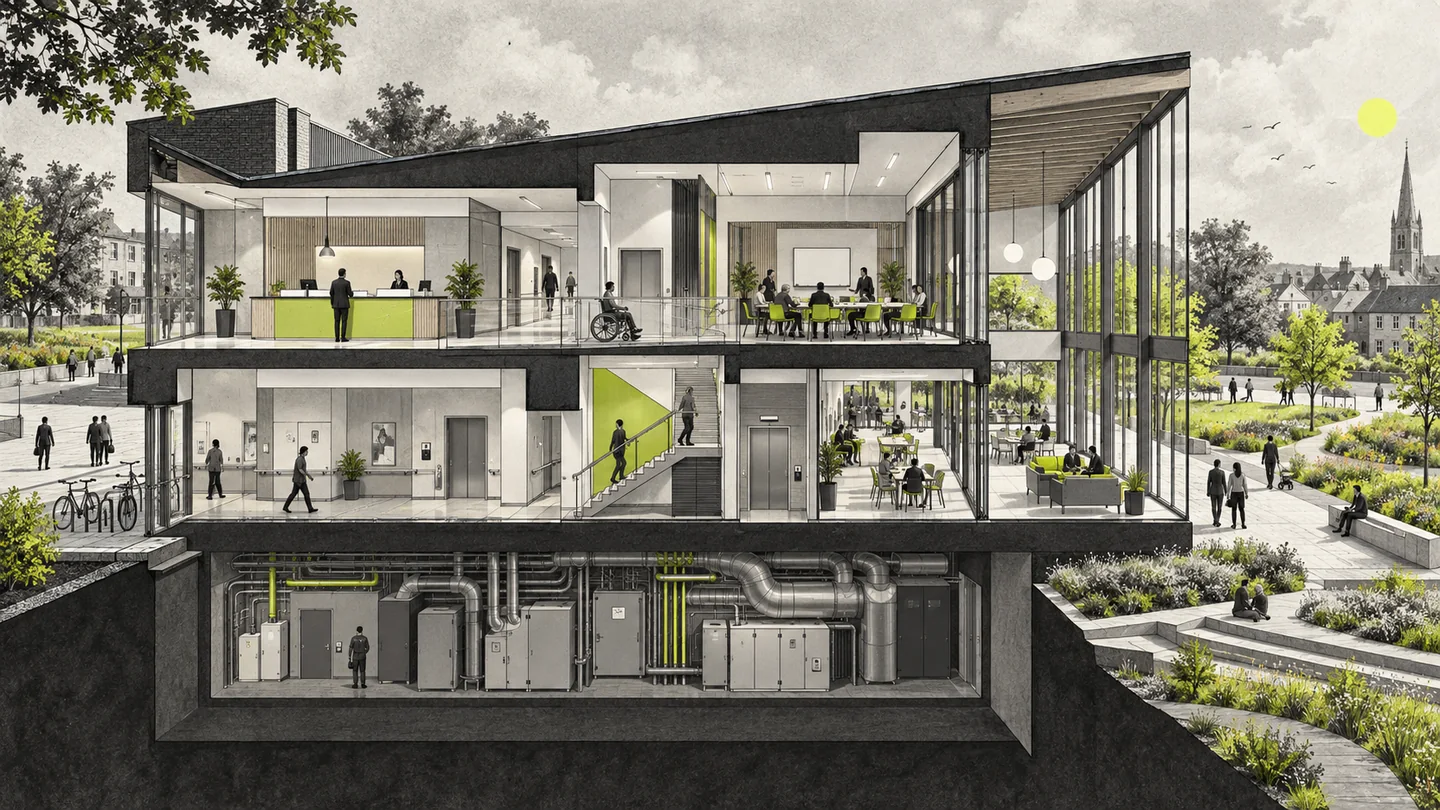
Public Sector and Community considers maintenance priorities alongside public use, shared occupation and the approval process.

Data Centres and Critical Environments separates the agreed property task from critical systems and operator-controlled changes.

Transport and Infrastructure addresses support buildings, permissions to attend and the boundary between operational and public space.

Energy and Utilities identifies property requirements and the permissions needed where building work meets operational assets.

Social Housing and Residential Estates connects individual repairs, communal facilities and resident arrangements with recorded follow-up.

Life Sciences and Laboratories examines how laboratory operations and local controls affect the building and its services.

Defence and Secure Estates explains why property scope, attendance approval and handling of site information must be agreed together.
Use the complete service directory to select the trades behind your sector brief. The range includes electrical work, HVAC and refrigeration, plumbing and water systems, building fabric and roofing, alongside the other service families listed there.
A sector page highlights useful starting points, rather than limiting work to those examples. Define the requirement against the actual property. Where an instruction involves specialist equipment or assets controlled by an operator, state precisely which systems and tasks are included.
Use maintenance for investigation, repairs and ongoing care of existing assets. Defined changes, replacement and refurbishment sit within projects. Findings from a reactive visit may inform a later improvement programme, so both routes can form part of the same property plan.
An estate-wide approach still needs a record for each building and asset. Connect previous work, operating needs and future investment, while retaining the access limitations and local conditions that a common specification cannot describe on its own.
Build the programme around the people and activities on site. Record who controls access, who coordinates attendance and which operations must continue. Public buildings, care settings, educational premises and controlled sites need their own arrangements reflected in the proposed method.
The location directory sets out our recorded North East England coverage. This includes Newcastle, Gateshead, Sunderland and Durham, with locations across Northumberland, Tyne and Wear, County Durham and Teesside. Include the property address when relating a sector requirement to an enquiry.
Yes. A technical repair may be similar in two buildings, but its impact, access conditions and handover requirements can differ. Read the service information alongside the sector context when preparing the instruction.
Yes. Provide a site list with the task and local contact for every address. An estate programme can coordinate common work without losing separate access arrangements or scope at each premises.
No. Start with what has happened or what you want to achieve. Describe the affected space and include existing reports so the investigation or proposed work can be defined before selecting the trade.
Begin with the address, how the premises is used and the task or problem. Give the required timing and access contact, then add relevant images, equipment information and previous findings.
Build the brief using the condition-survey checklist and commercial refurbishment scope guide. The remedial-action guide explains follow-up records. Continue through the service catalogue, maintenance options, project routes, coverage pages or Knowledge Centre.

For a building or portfolio, describe the work and the operating conditions it must fit around. Include existing records, responsible contacts and fixed dates when you contact Black & White Facilities.
Discuss your requirements