
Black & White Facilities / Service area
Building Fabric
Building fabric covers the walls, floors, ceilings, openings and external envelope that a managed site depends on every day. This category collects the individual repair services, the recurring maintenance routes and the larger alterations that sit alongside them.
Individual services
18 services

Illustration Brickwork and Masonry: Repointing, unit replacement and localised repairs to brick, block and stone, including the details around openings.

Illustration Building Envelope and Facade Repairs: Tracing and correcting faults in the outer surfaces and junctions that keep weather out.
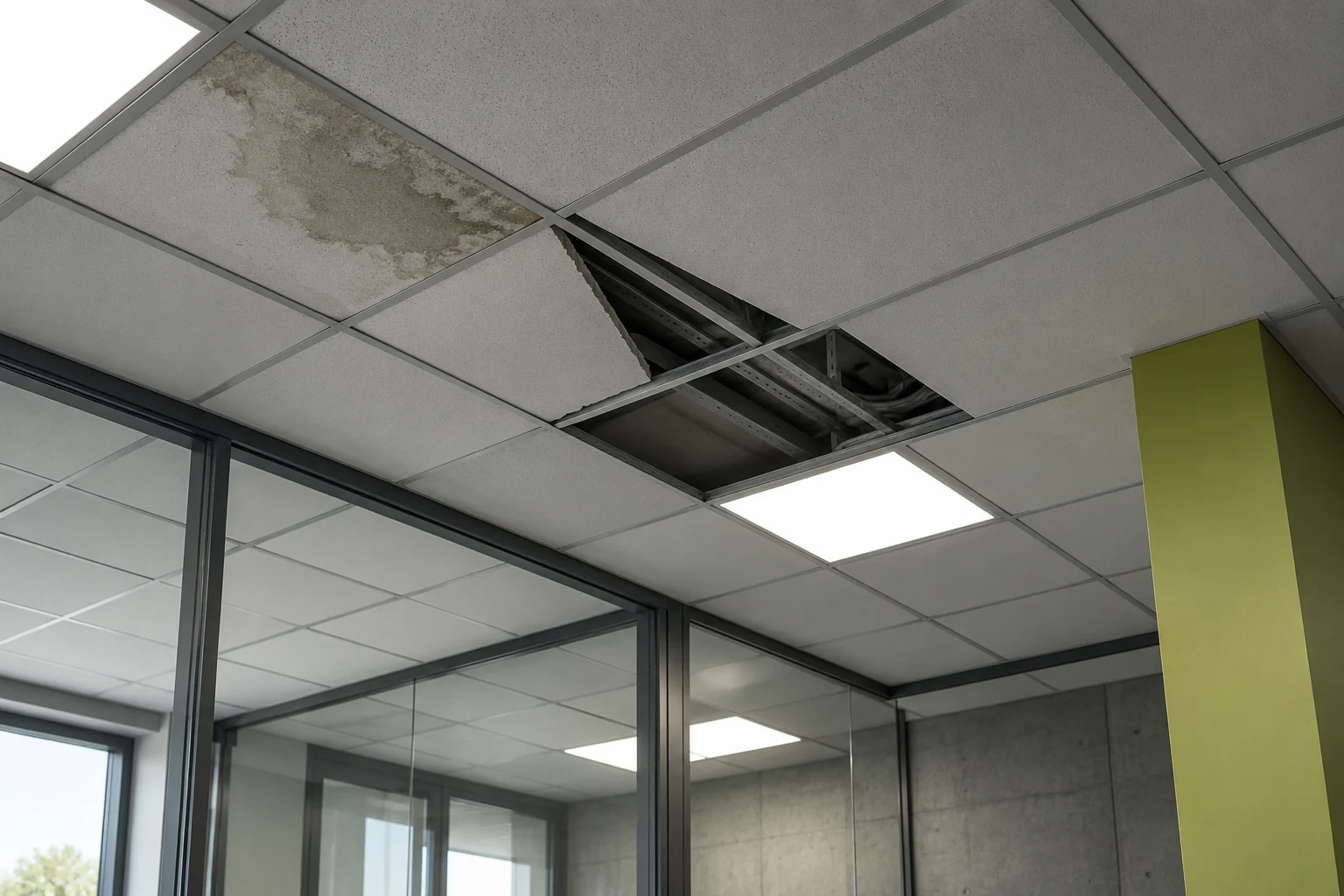
Illustration Ceilings and Partitions: Repairs, replacements and layout changes to ceilings and partitions, coordinated with the services they carry.

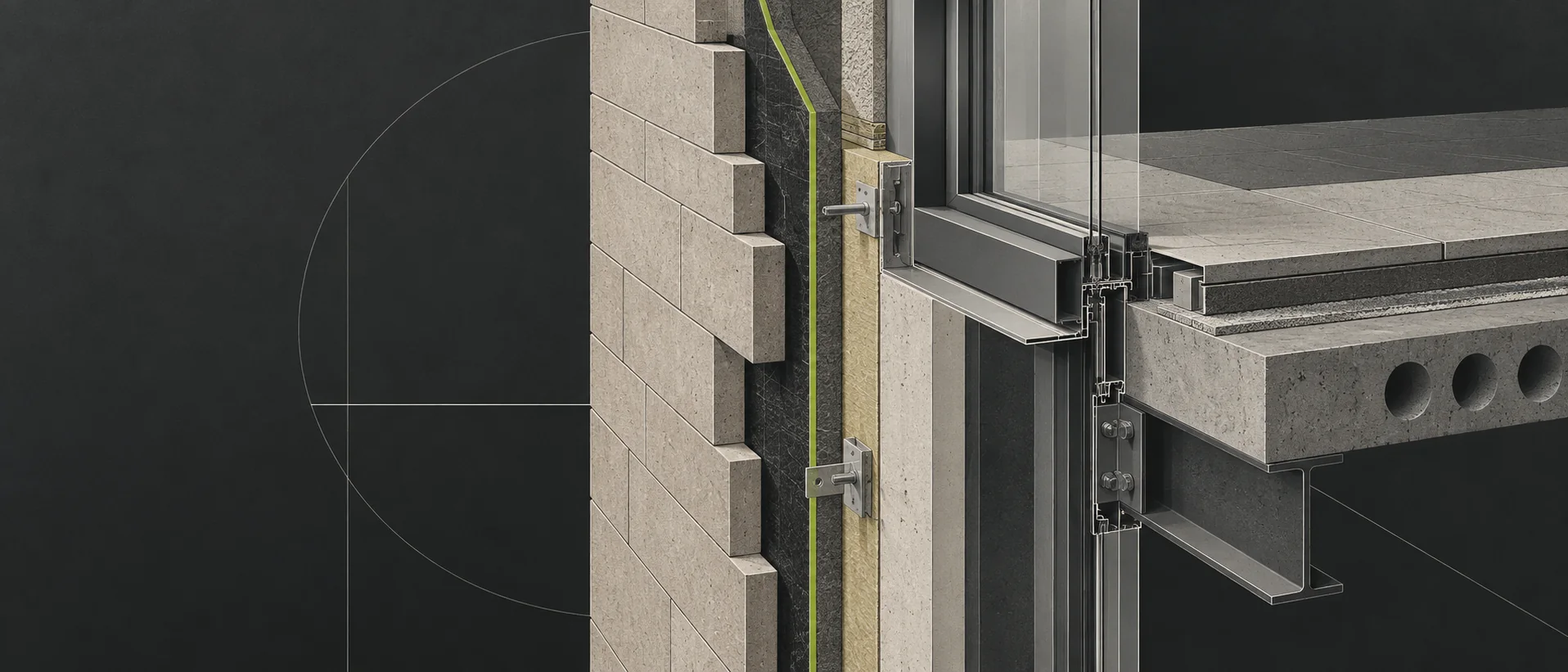
Illustration Cladding and Curtain Walling: Condition review and repair of panelled and glazed facade systems, from failed seals to damaged components.
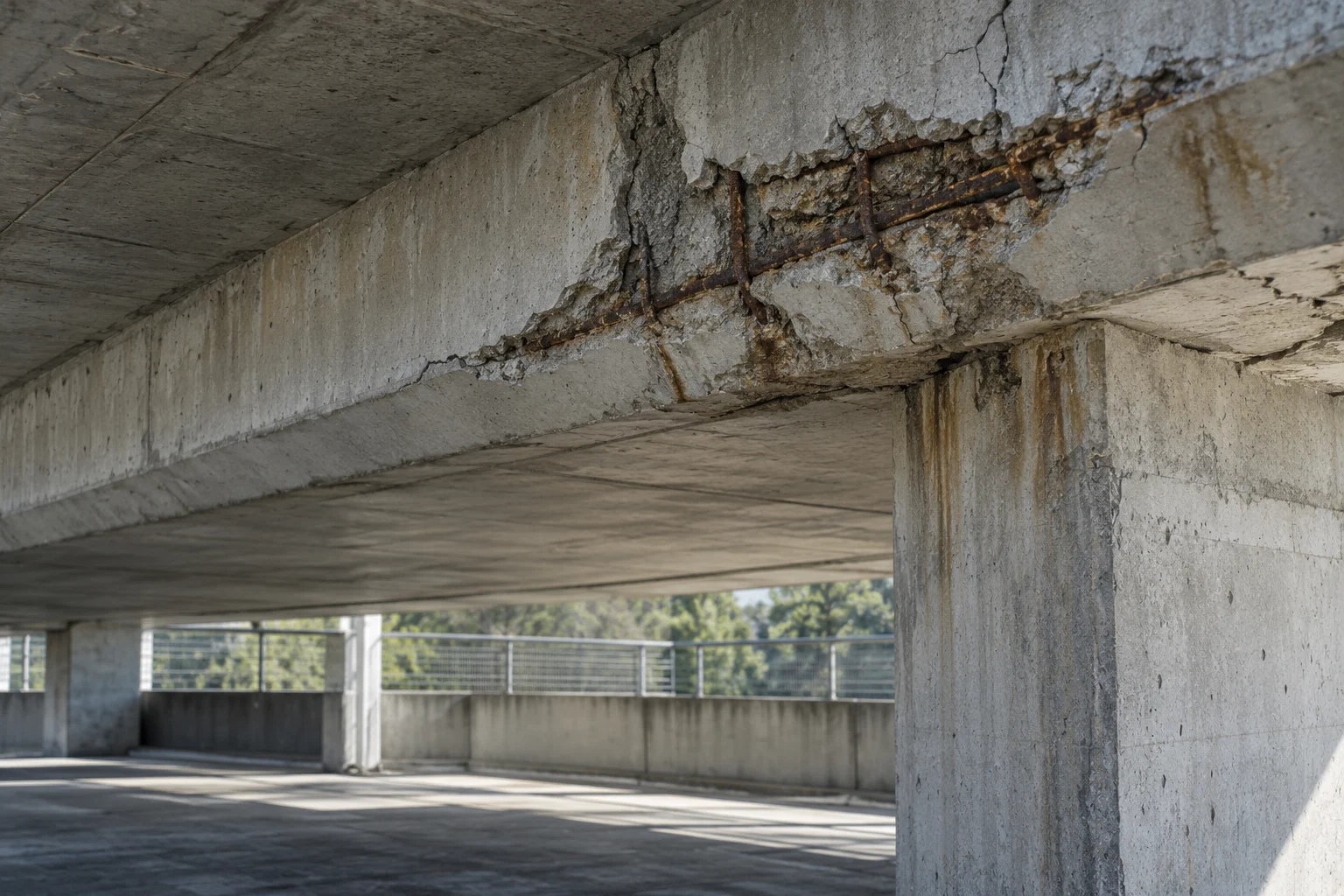
Illustration Concrete Repairs: Investigation and treatment of spalled, cracked or deteriorating concrete in building elements.

Illustration Doors, Windows and Glazing: Adjustment, hardware repair and replacement of door, window and glazed units so each opening works properly.

Illustration Flooring: Repair or renewal of floor finishes, specified against the room's traffic, use and cleaning routine.

Illustration General Building Repairs: One scoped instruction for linked fabric defects, with trades, sequence and making good set out.

Illustration Handyman Services: Minor repairs and practical tasks worked through from a prioritised list.

Illustration Joinery and Carpentry: Repair, alteration and installation of timber elements and fitted items in daily use.

Illustration Kitchens and Washrooms: Repair and refurbishment of kitchens and washrooms, covering fittings, finishes and heavy daily use.

Illustration Locksmith and Ironmongery: Lock and door hardware repairs or replacements that respect each door's security, access and escape role.

Illustration Painting and Decorating: Surface preparation and recoating, inside and out, with products chosen for condition and exposure.
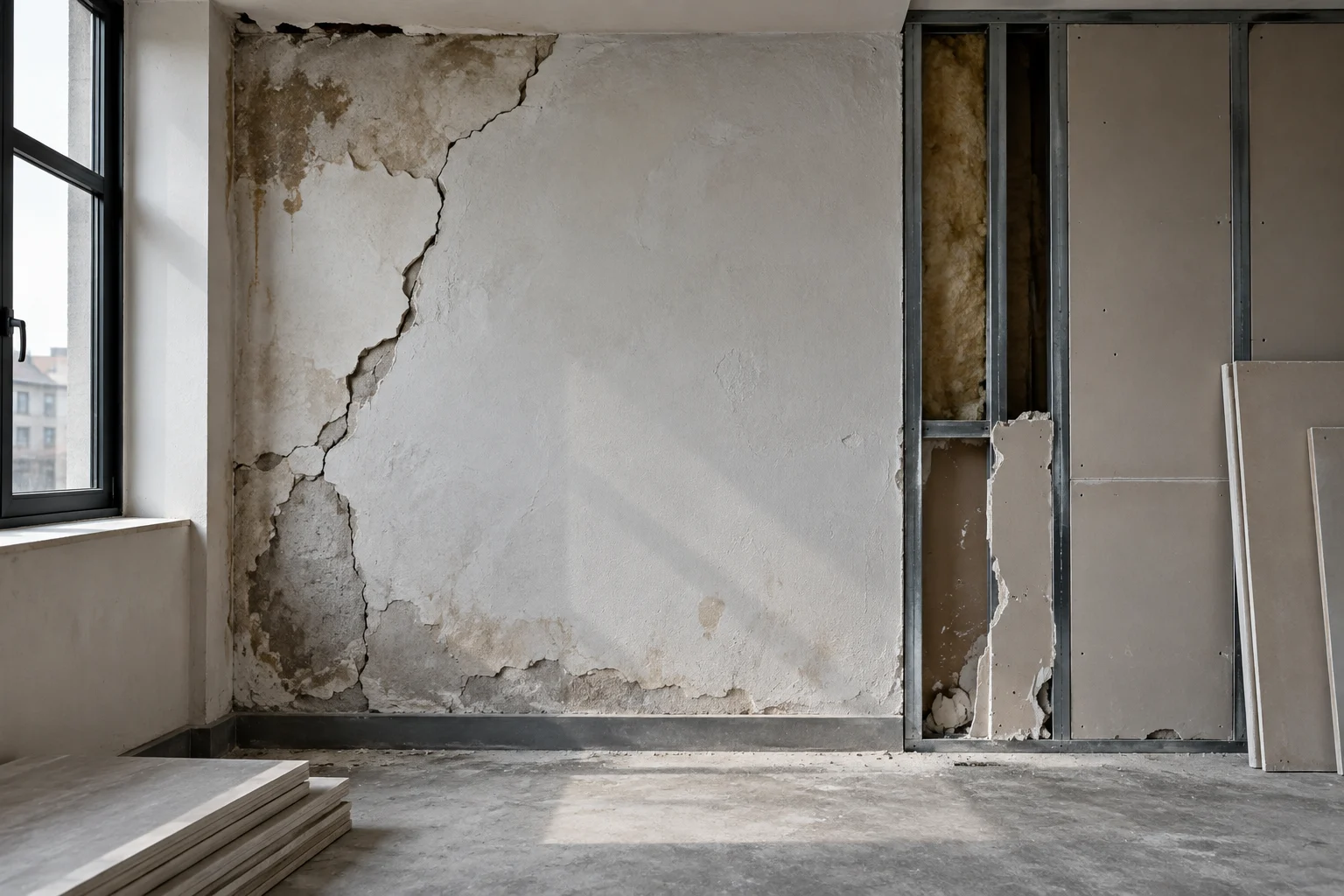
Illustration Plastering and Dry Lining: Repair or renewal of wall and ceiling backgrounds so the agreed finish can be applied.
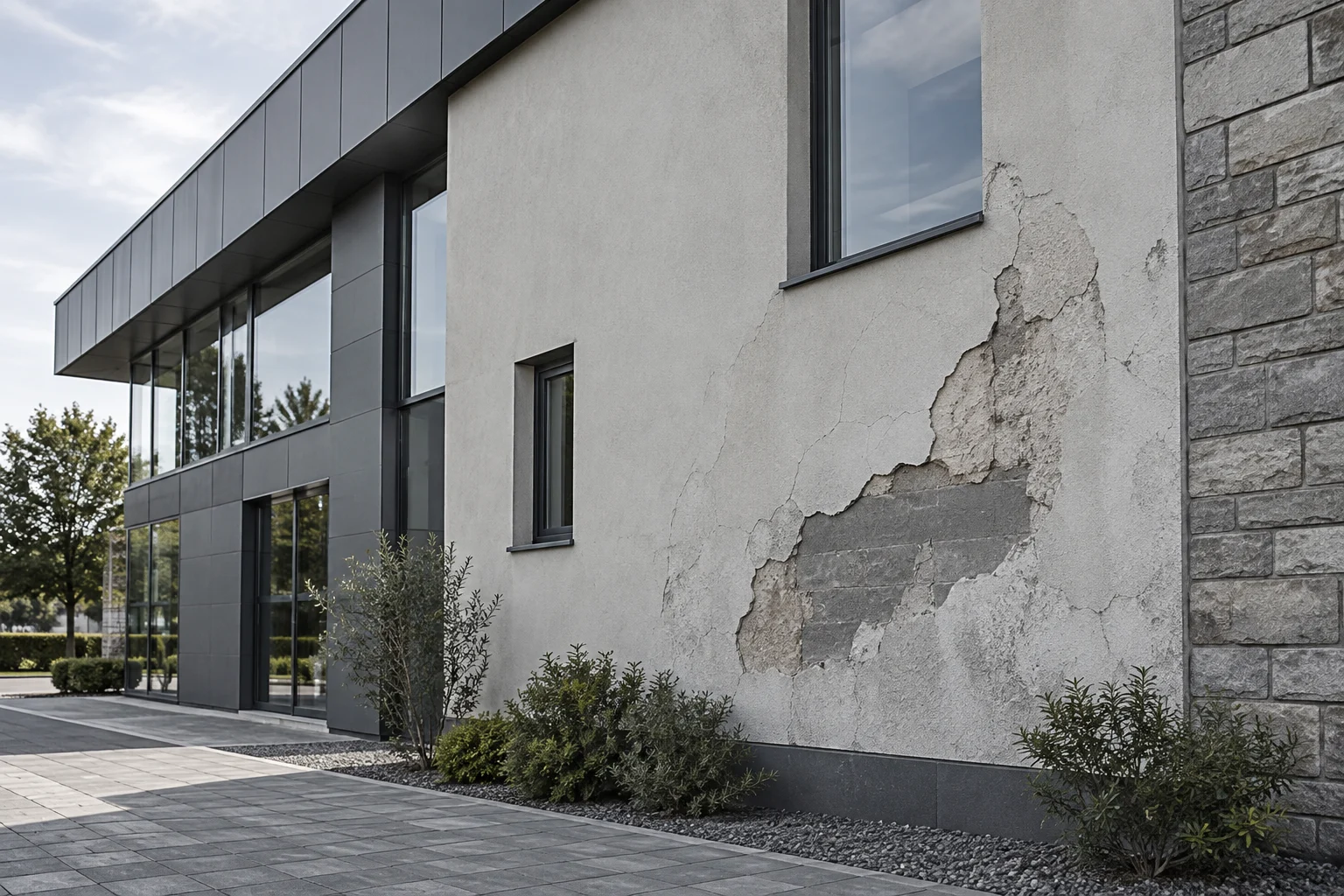
Illustration Rendering and External Finishes: Repair or replacement of render and external coatings matched to the wall build-up and its exposure.
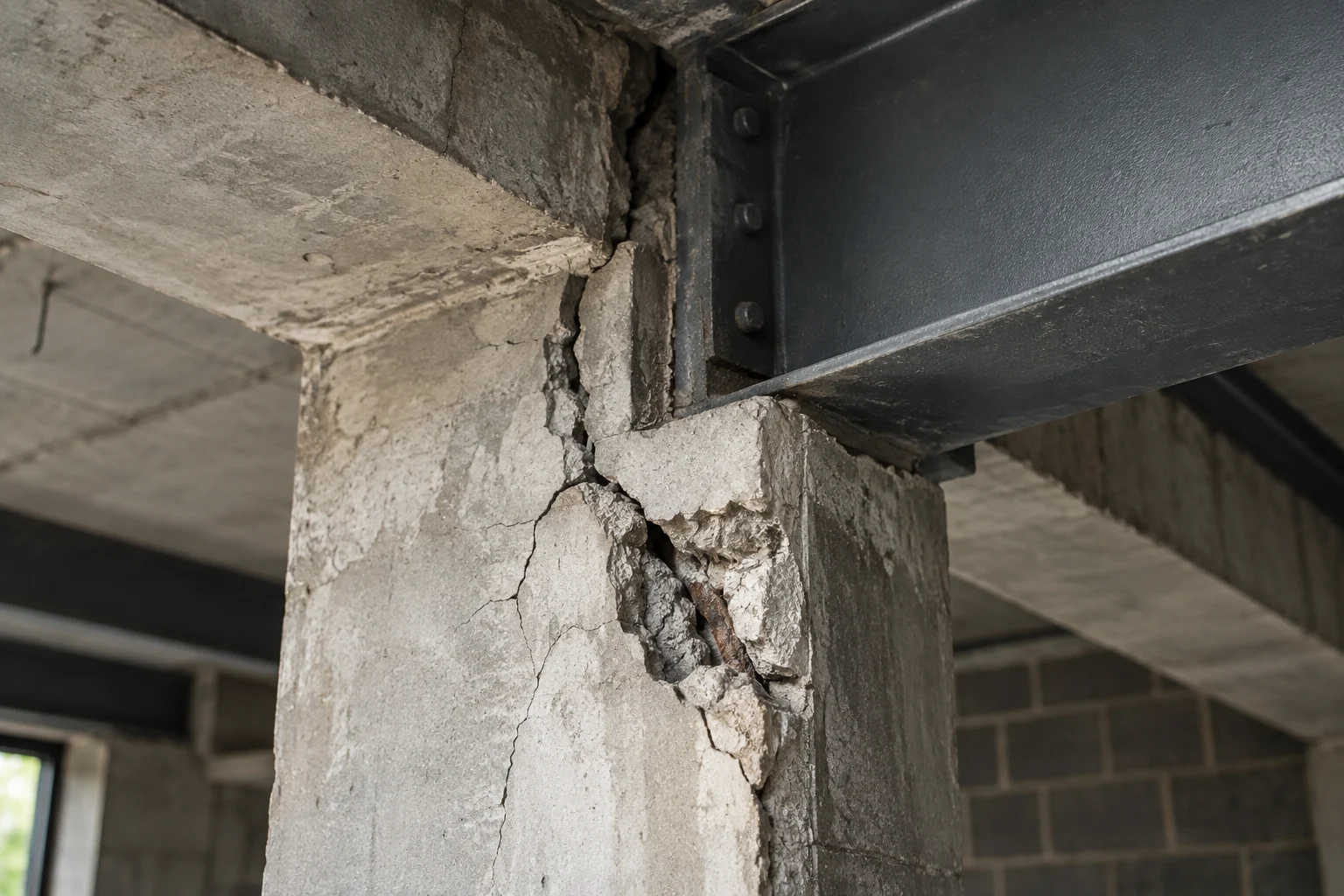
Illustration Structural Repairs: Defined repairs to structural elements, carried out after investigation and against a clear repair design.

Illustration Tiling: Repair and installation of wall and floor tiling, allowing for the background, joints and adjacent fittings.
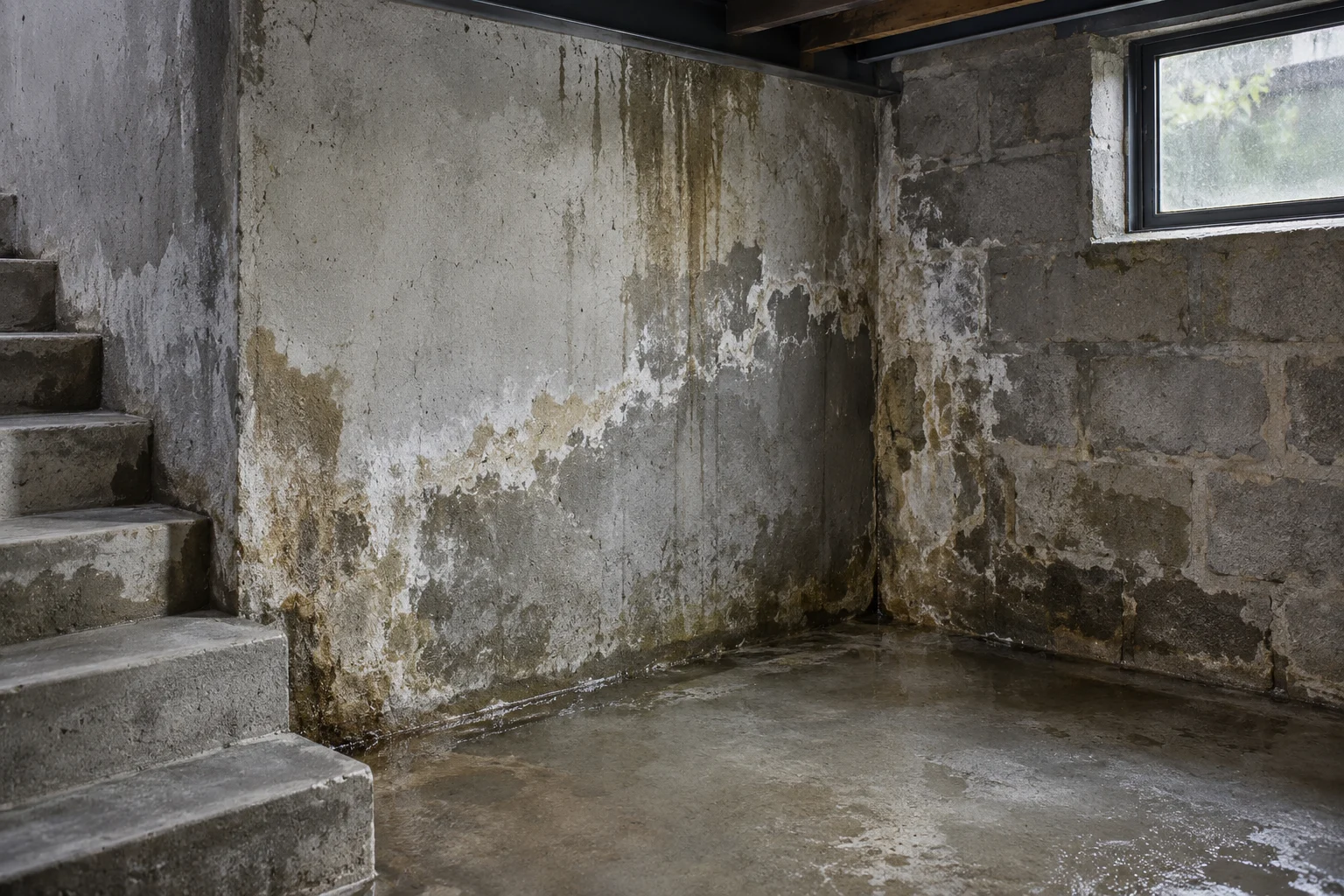
Illustration Waterproofing and Damp Proofing: Investigation of moisture routes and remedial work specified around the building's construction.
Our full service catalogue, including every individual service, is available across every listed sector and location. For one site or several, we agree the scope, access and programme around the buildings concerned.
Examples delivered by Property Services
This example was delivered by the separate Black & White Property Services business. Worn finishes and impact damage affected reception and circulation areas at the continuously operating Moorview veterinary site. Black & White Property Services repaired surfaces, prepared walls and woodwork, and redecorated in overnight phases. The completed areas included both receptions and rear hallways while the site continued operating. Phased overnight decorating at the Moorview veterinary site.
This example was delivered by the separate Black & White Property Services business. Deteriorated flooring and parts of the timber substrate needed replacement at Robson & Prescott in Alnwick. Black & White Property Services removed the old flooring, prepared the substrate and fitted safety vinyl with turned-up wall edges. The completed clinical finish accounted for the existing floor and adjacent fire-door clearance. Safety flooring at Robson & Prescott in Alnwick.

Choosing the right service
Begin with the fault and the result the site needs, not with the service name. A damp patch calls for the source to be found before anyone redecorates, cracking needs a view on movement before it is filled, and a door with failed hardware may only need new components. Photographs, plans and the history of earlier work on the element help settle the next step.
Repairs, maintenance and projects
A one-off instruction handles a single defined task. Recurring and condition-led work runs through maintenance, where planned attention can be scheduled across an estate. Coordinated change with a fuller brief, a programme and a formal handover belongs under projects. Many portfolios use all three, and separating local repairs from planned investment keeps budgets and records honest.
Planning the work
Before work starts, settle how much opening-up is acceptable, which finishes stay, how dust will be controlled and who makes good afterwards. Hidden services and unknown construction can change the sequence, so name in advance who can authorise extra work. Confirm the site contact, operational priorities, the work order reference and the route for approving a change to scope. The scope should also list exclusions and the records required at handover.
Work across sectors
Different premises impose different patterns of occupation and access. An office may want work phased around departments, a school around teaching hours, a hotel around guests and an industrial unit around plant and shift patterns. The sector directory maps the full service range onto those settings.
Locations covered
Sites across North East England are covered, taking in Northumberland, Tyne and Wear, County Durham and Tees Valley, with Newcastle, Gateshead, Durham and Middlesbrough among them. Give the postcode, access arrangements and any site-specific restrictions when enquiring. The location directory covers the wider area and each local page.
Frequently asked questions
Can I enquire before choosing an individual service?
Yes. Set out the fault, the rooms or assets affected and the outcome you need. As a rule, moisture is traced before surfaces are refinished, movement is assessed before cracks are filled, and failed hardware is often repairable without changing the whole door.
Can several tasks be included in one instruction?
Yes. Linked tasks can be scoped as one instruction, with the trades involved, the order of work and each party's responsibilities recorded. Give each item its site and asset reference so it can be tracked, costed and closed out individually.
What determines the cost?
Scope is set by the work itself, the element's condition, access, materials, plant and the operating restrictions on site. Preparation, defects found once surfaces are opened and the finish required often matter as much as the visible repair.
What information should I send first?
Start with the site address, a brief description of the fault, photographs taken safely and any survey reports already held. Add the access windows, who will authorise the work and the result you are looking for.
Guides and practical advice
The building fabric planning guide covers preparation and the decision points that shape an instruction. Where an element's condition is driving the choice, repair versus replacement sets out how to weigh the options. Official guidance adds the wider context in which the work is carried out.
Related content
See all services, maintenance, projects, sectors, locations and the knowledge centre for the rest of the site. Where the requirement is a managed contract rather than a single instruction, see facilities management.
Make an enquiry
Contact Black & White Facilities about the site or estate involved, giving its priority, the local contact and whatever records exist. Describe the change you need and the constraints around it; the next step is agreed from there.
Discuss the scope
Tell us what needs attention.
Share the site, the issue and any access requirements so we can discuss the next step.