
Black & White Facilities / Service area
Waste and Recycling
An estate waste brief needs to identify the materials, collection arrangements and evidence behind reported performance. Facilities teams can use site and waste-stream records to investigate contamination, compare provision and distinguish individual tasks from recurring work or larger changes to the premises.
Individual services
10 services

Illustration Bulky Waste and Clearances: Define large items and accumulated materials for removal, with sorting and onward routes agreed.
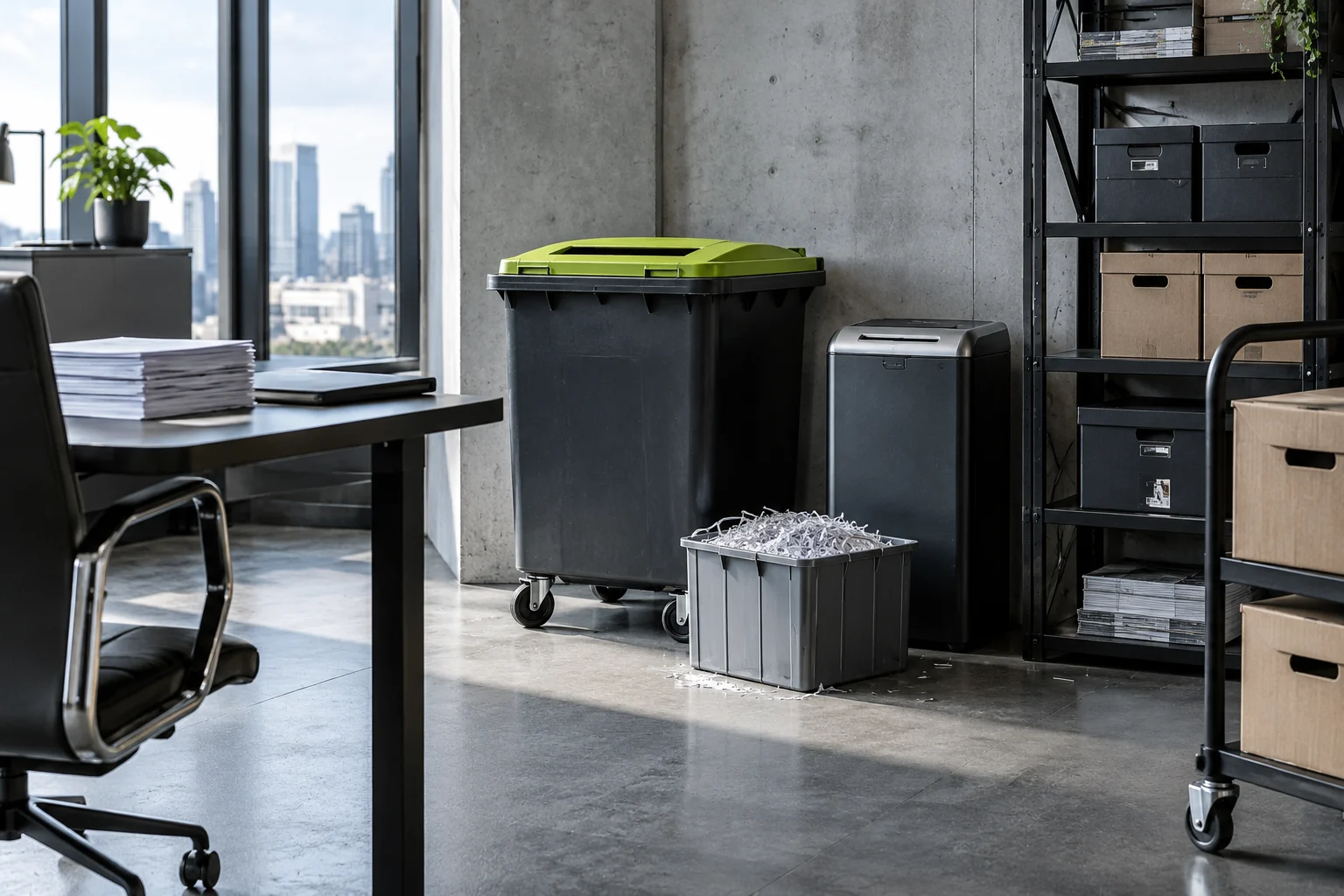
Illustration Confidential Waste: Specify confidential material for secure collection and destruction, including the evidence required.
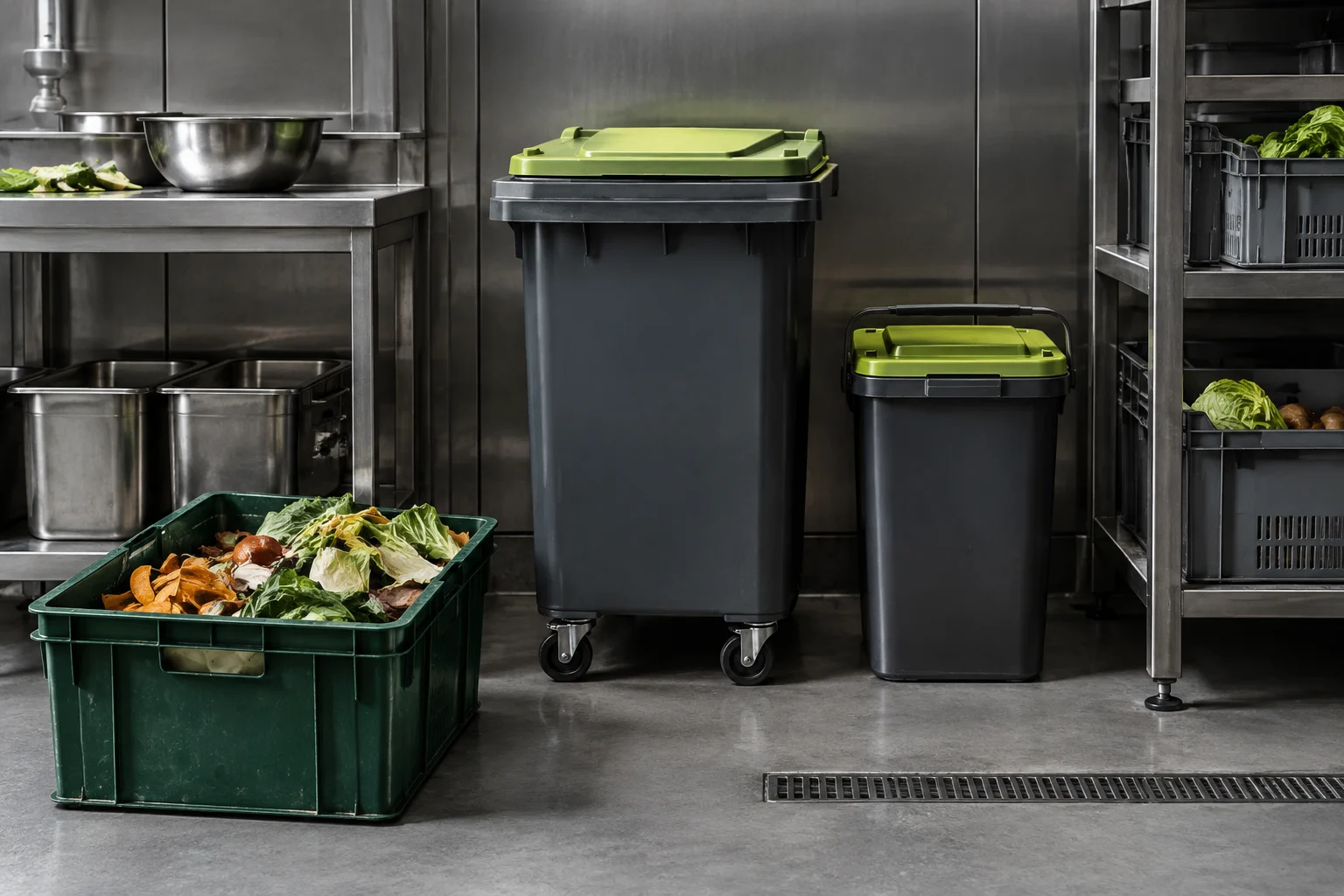
Illustration Food Waste: Match separate food-waste storage and collection to the quantities generated and available access.
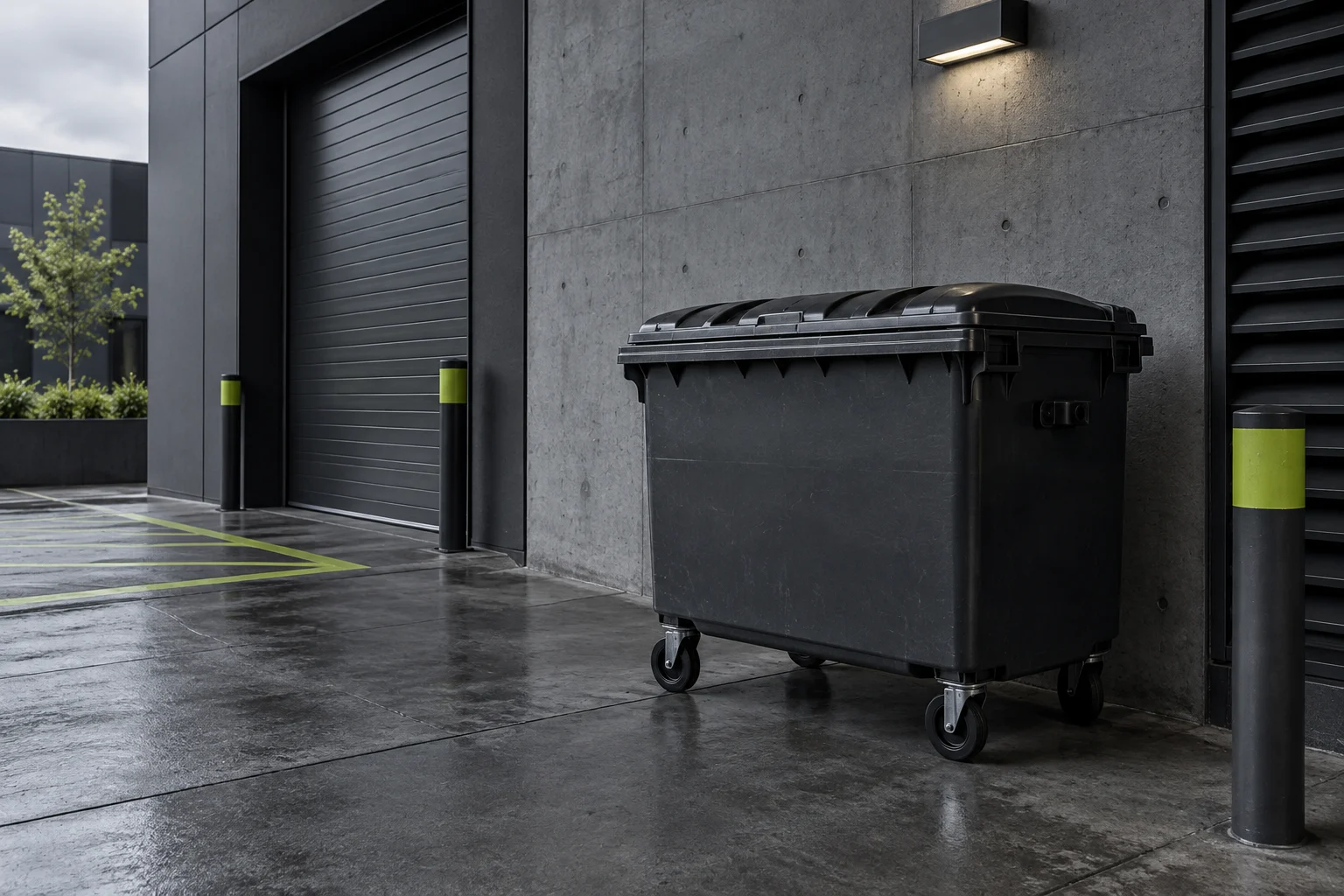
Illustration General Waste: Plan residual business-waste collection after identifying the streams needing separate arrangements.
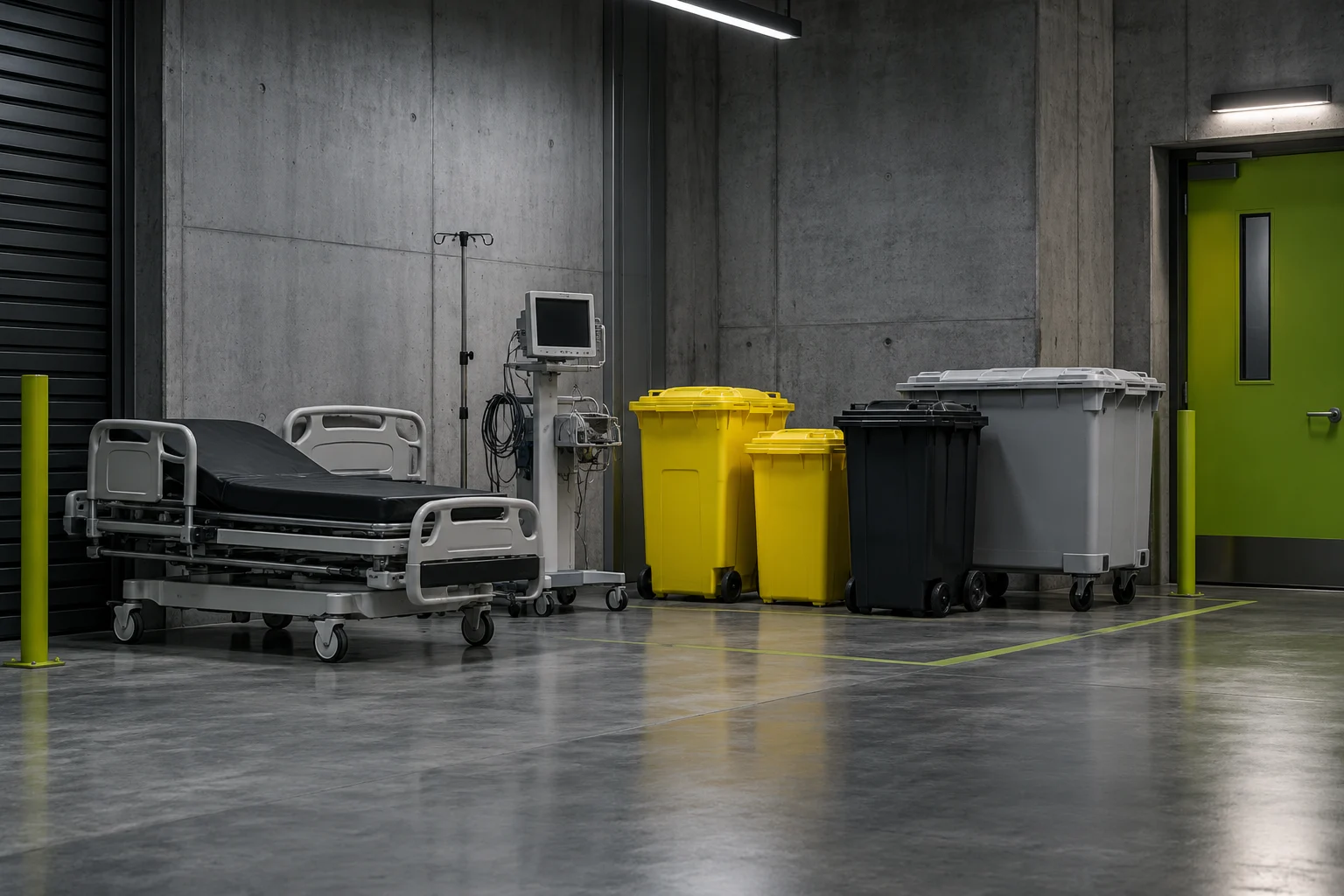
Illustration Hazardous and Clinical Waste: Establish the specified waste types and appropriate assessment and handling routes before collection.
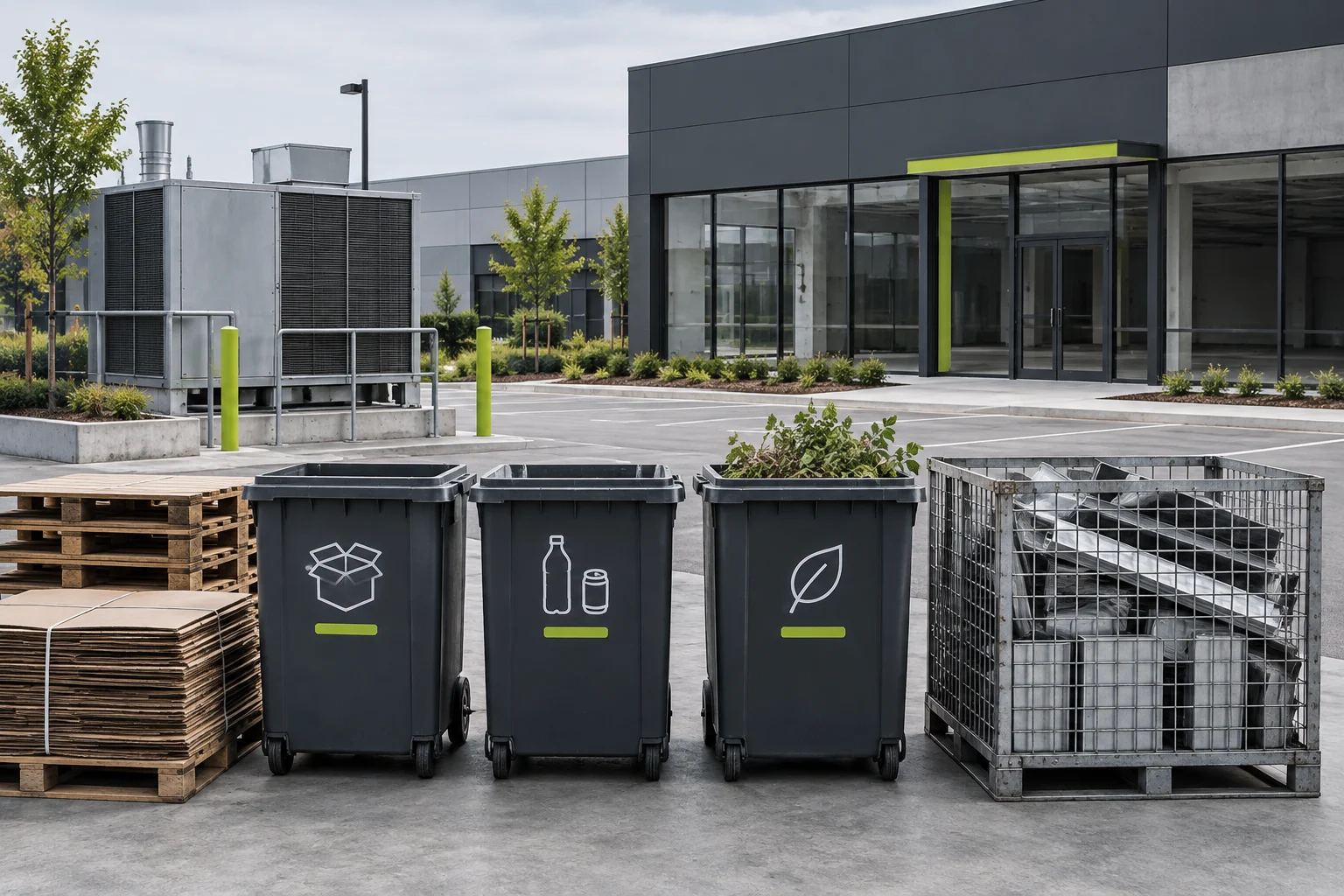
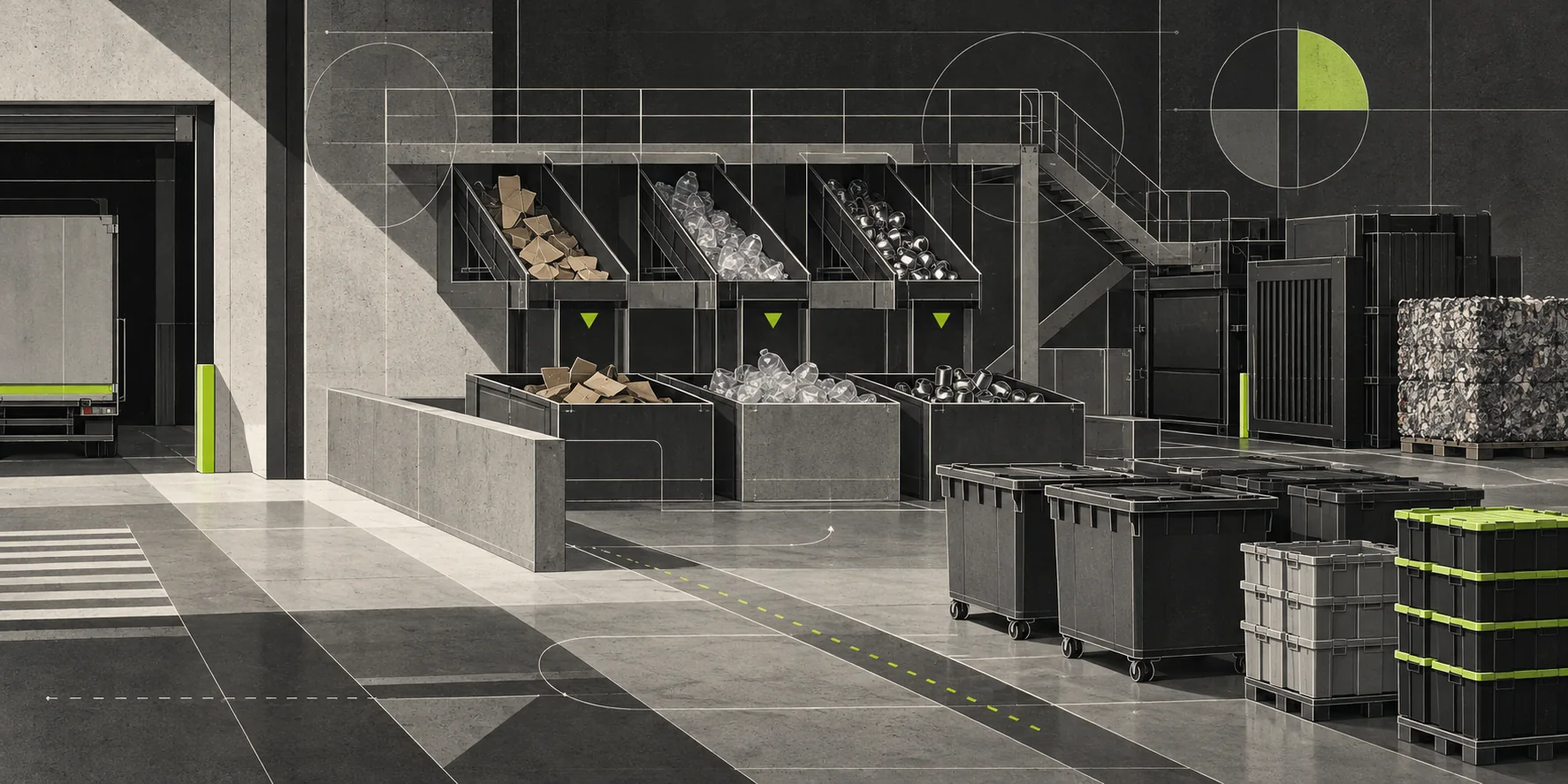
Illustration Recycling Services: Match separated materials, containers and collections to the site's space and waste production.
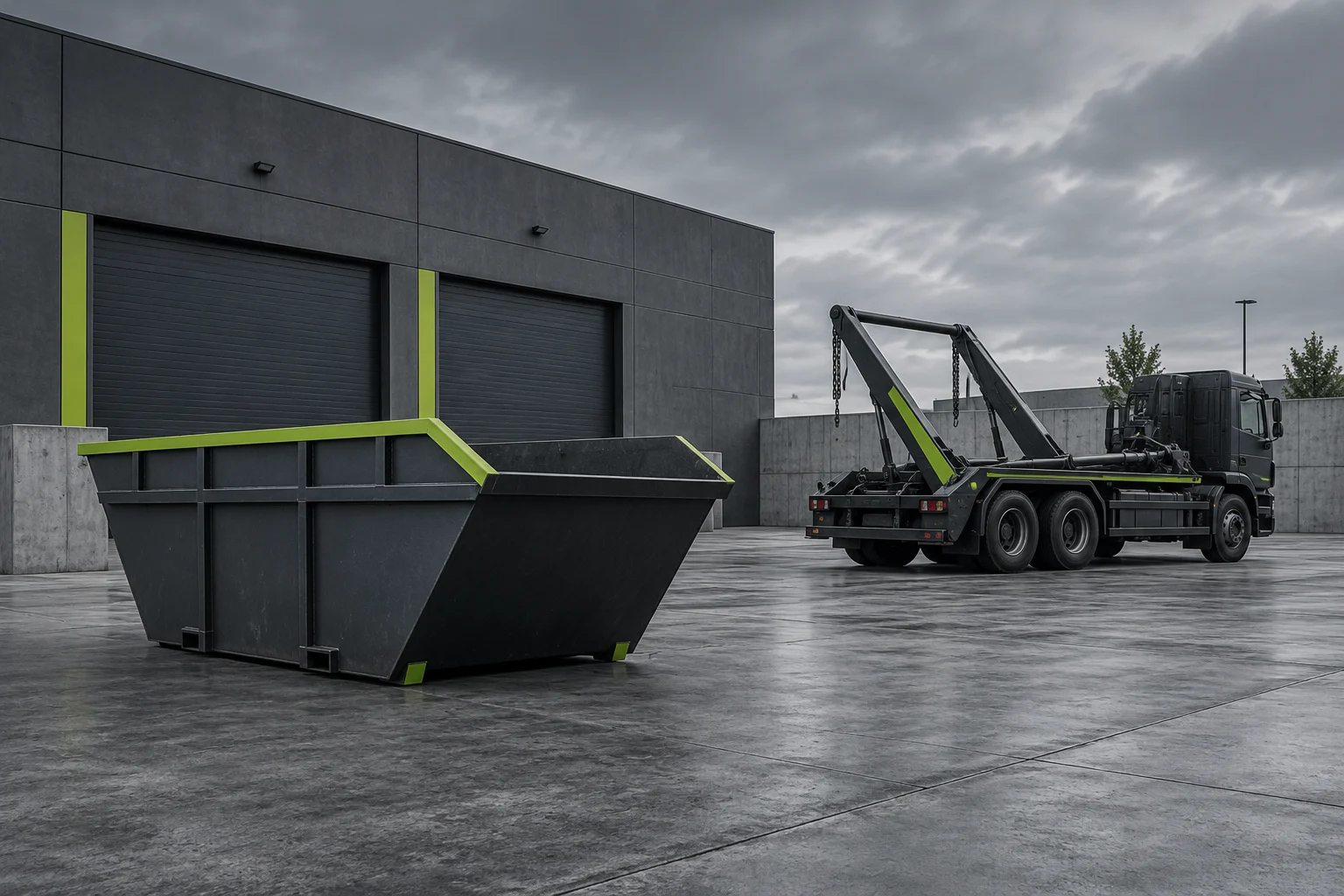
Illustration Skip and Container Services: Select suitable containers and positions from the contents, loading arrangements and vehicle access.
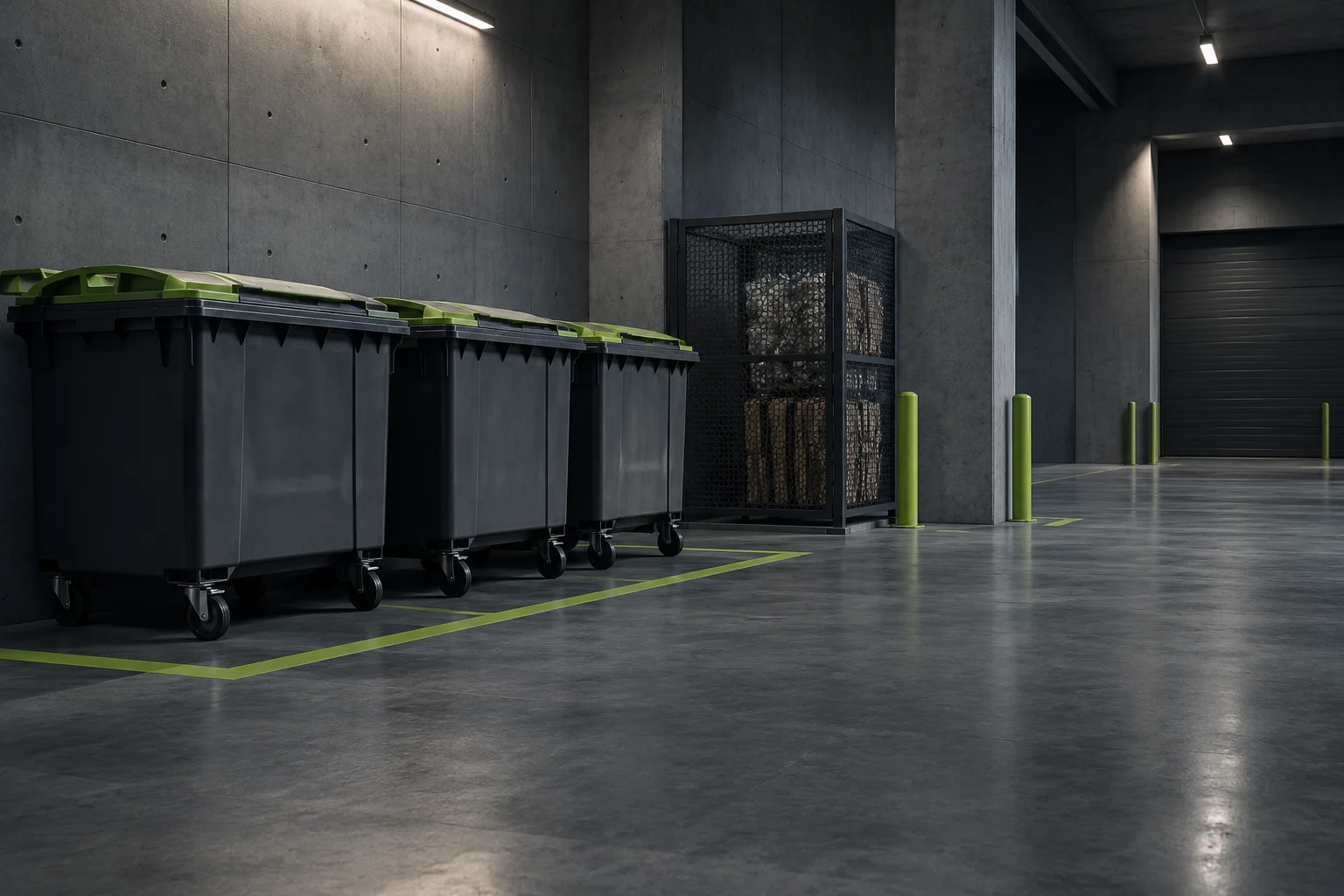
Illustration Waste Audits and Management: Examine production, separation, storage and collection to identify improvements to waste arrangements.
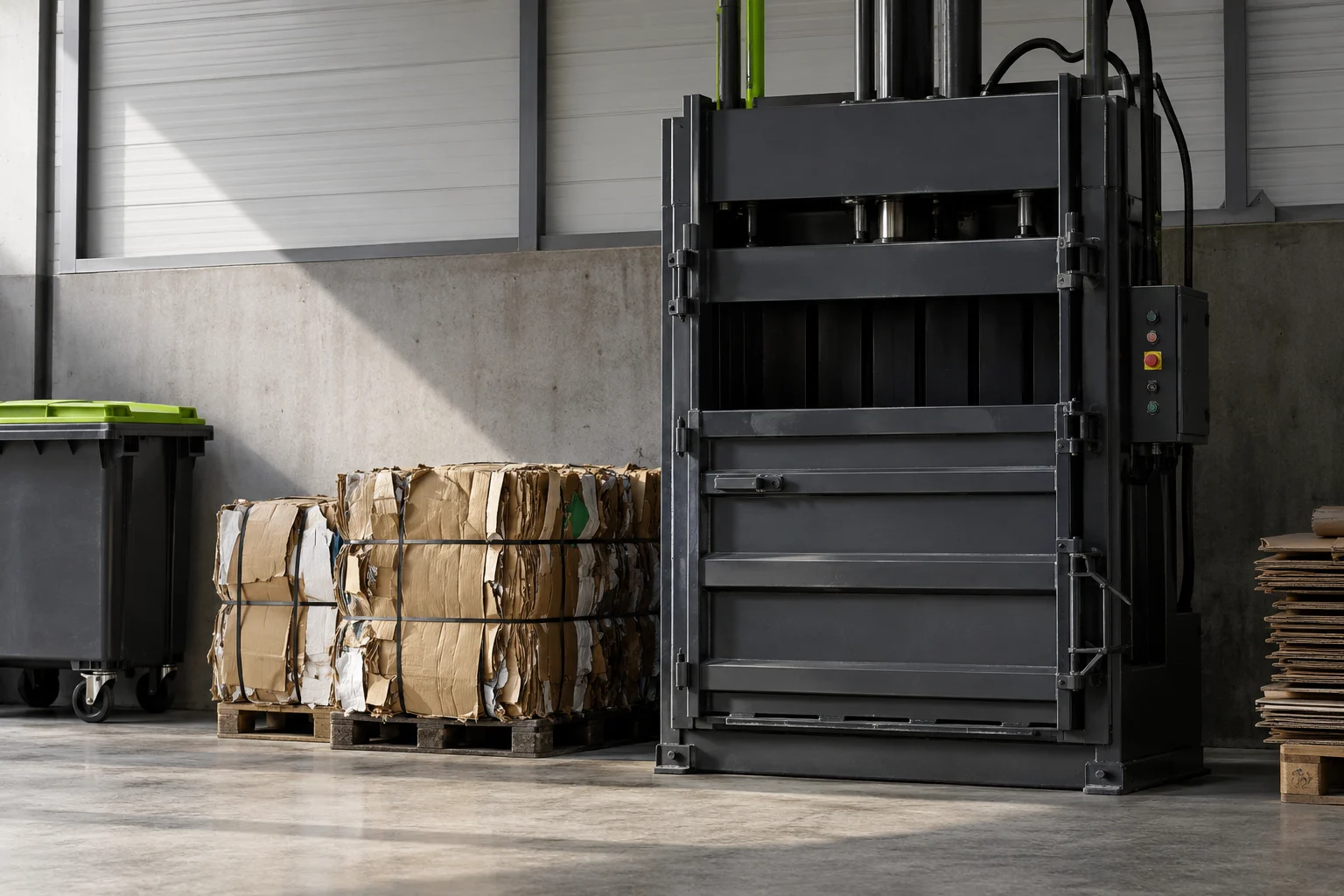
Illustration Waste Compactors and Balers: Define equipment provision, repairs or maintenance for suitable compaction and baling duties.

Illustration WEEE, Battery and Lamp Recycling: Identify the type and condition of electrical equipment, batteries and lamps for separate handling.
Our full service catalogue, including every individual service, is available across every listed sector and location. For one site or several, we agree the scope, access and programme around the buildings concerned.
Which service do you need?
Start with the waste rather than the container. Residual material, recyclables, food, electrical items and confidential or hazardous streams need different arrangements. Describe the problem and outcome, supported by photographs, plans and previous-work records, to establish the useful next action.

Repairs, maintenance and projects
A specific instruction addresses a defined job. Maintenance supports recurring and condition-led tasks, while Projects brings wider changes into a coordinated brief, programme and handover. An estate may use all three, keeping immediate requirements distinguishable from planned investment.
Planning the work
Agree the material description, accepted contents, storage and vehicle access. GOV.UK sets out business duties, including carrier checks and appropriate transfer records. Name contacts, priorities, work references and the person approving scope changes, with exclusions and completion information recorded.
Work across sectors
Occupation and access differ between offices, education, hospitality and industrial buildings. Working hours, users and equipment constrain the arrangement at each premises. Use the sector directory to connect the full offering with the relevant property setting.
Locations covered
Coverage extends across North East England through Northumberland, Tyne and Wear, County Durham and Tees Valley, including Newcastle, Gateshead, Durham and Middlesbrough. Share the postcode, access details and local restrictions; the location directory shows the broader area.
Frequently asked questions
Can I enquire before choosing an individual service?
You can begin with the affected areas and intended result. Identify the waste involved so container choices reflect the different needs of residual, recyclable, food, electrical, hazardous or confidential material.
Can several tasks be included in one instruction?
Connected tasks can share an instruction when trades, sequence and owners are defined. Retain site and asset references for each work item.
What determines the cost?
Resources depend on the job, condition, materials, equipment, access and operational limits. Establish waste type, weight, storage and collection intervals as part of that scope.
What information should I send first?
Provide the address, a brief explanation, safely obtained photographs and existing findings. Include access windows, the authorising contact and the result required.
Guides and practical advice
Use waste and recycling planning guide to prepare collection decisions. Repair versus replacement helps assess condition, expense and disruption where equipment or building fabric is involved, and Official guidance supplies the business-waste context.
Related content
The all services, maintenance and projects directories cover different work routes. Consult sectors, locations and the knowledge centre for supporting context, or facilities management for a broader managed requirement.
Make an enquiry
Contact Black & White Facilities with the site or estate scope, priority, local owner and available evidence. Explain the change needed and operational limits so the next action can be agreed.
Discuss the scope
Tell us what needs attention.
Share the site, the issue and any access requirements so we can discuss the next step.