What to check
- Compare compartment boundaries with the drawings available.
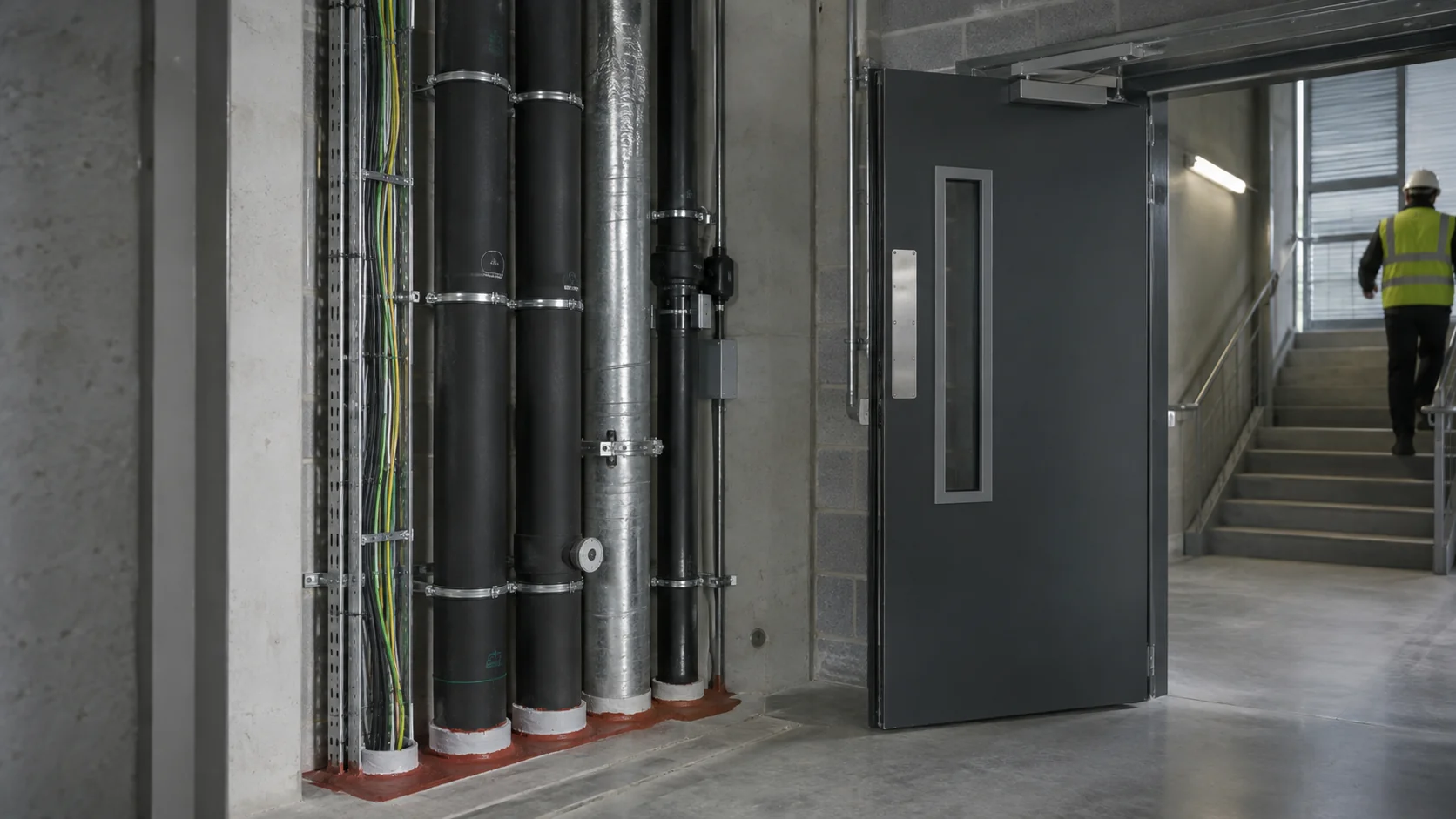
- Locate openings, construction joints and service penetrations.
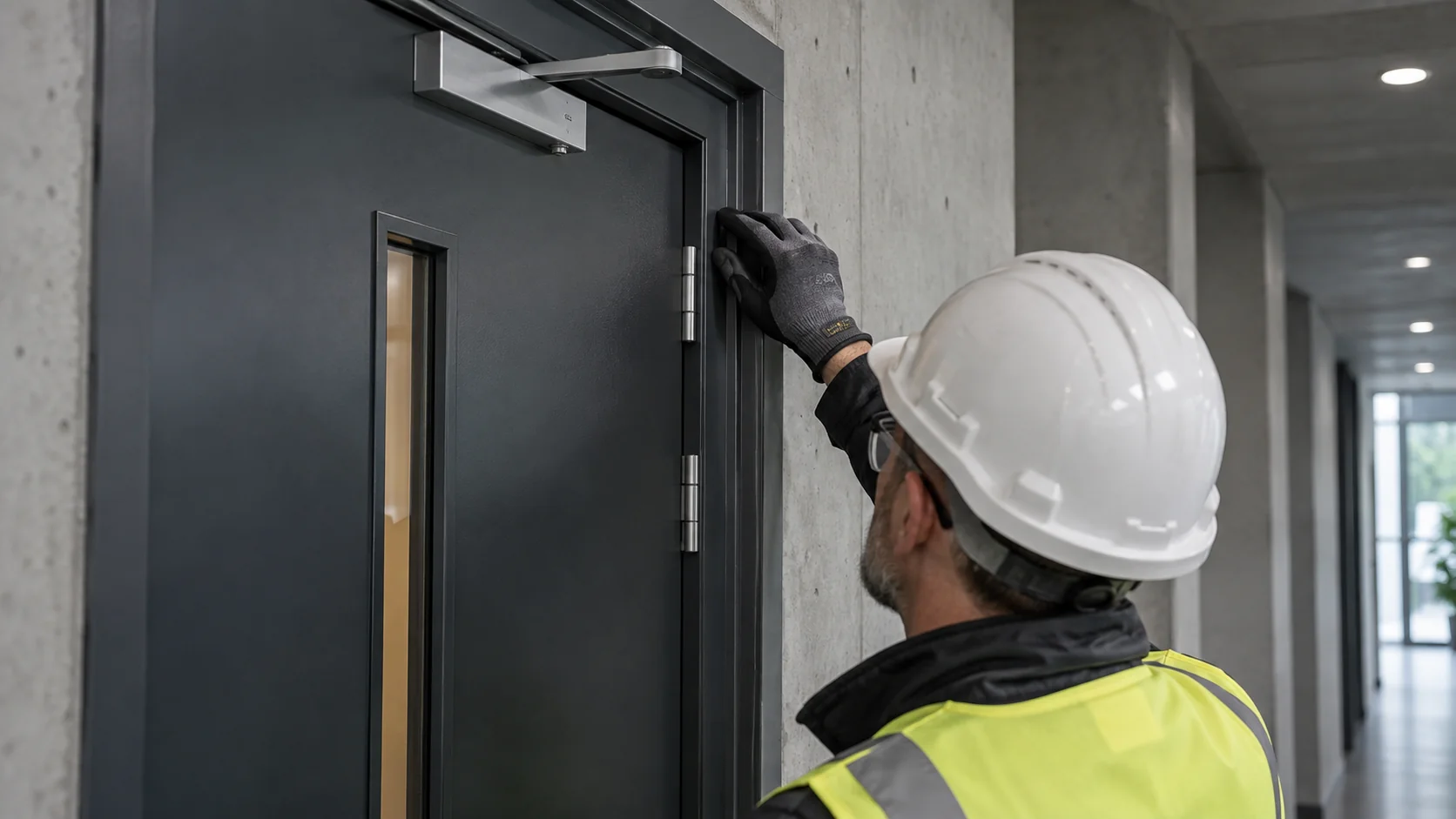
- Include doors, dampers and hidden voids in the review.
- Identify damage or alterations made since the previous assessment.
Plan the next decision
Survey the boundaries in the building and give each defect a location that can be found for remedial work. The appearance of a seal does not demonstrate how the complete construction will perform.
Agree who authorises the instruction, how the relevant areas will be accessed and the outcome required. Decisions affecting safety, security or compliance need competent assessment using information specific to the premises.
Records and follow-up
Keep survey instructions, findings, remedial actions and completion evidence connected. Record an accountable owner and due date for recommendations that remain open.
Related work
For site requirements, see fire and life safety and maintenance, then contact the responsible business with the areas and work concerned.
Source
Use current official guidance in the context of the actual premises. Check that requirements remain current before relying on details that may change.
Frequently asked questions
Why do changes to services matter for compartmentation?
New pipes, cables or openings can affect the barriers that limit fire and smoke spread. Include these interfaces when planning alterations.
What records help an assessor?
Provide drawings, previous surveys, records of alterations and access to relevant areas. The assessment should identify limitations as well as defects.