
Black & White Facilities / Service brief
ANPR and Vehicle Access
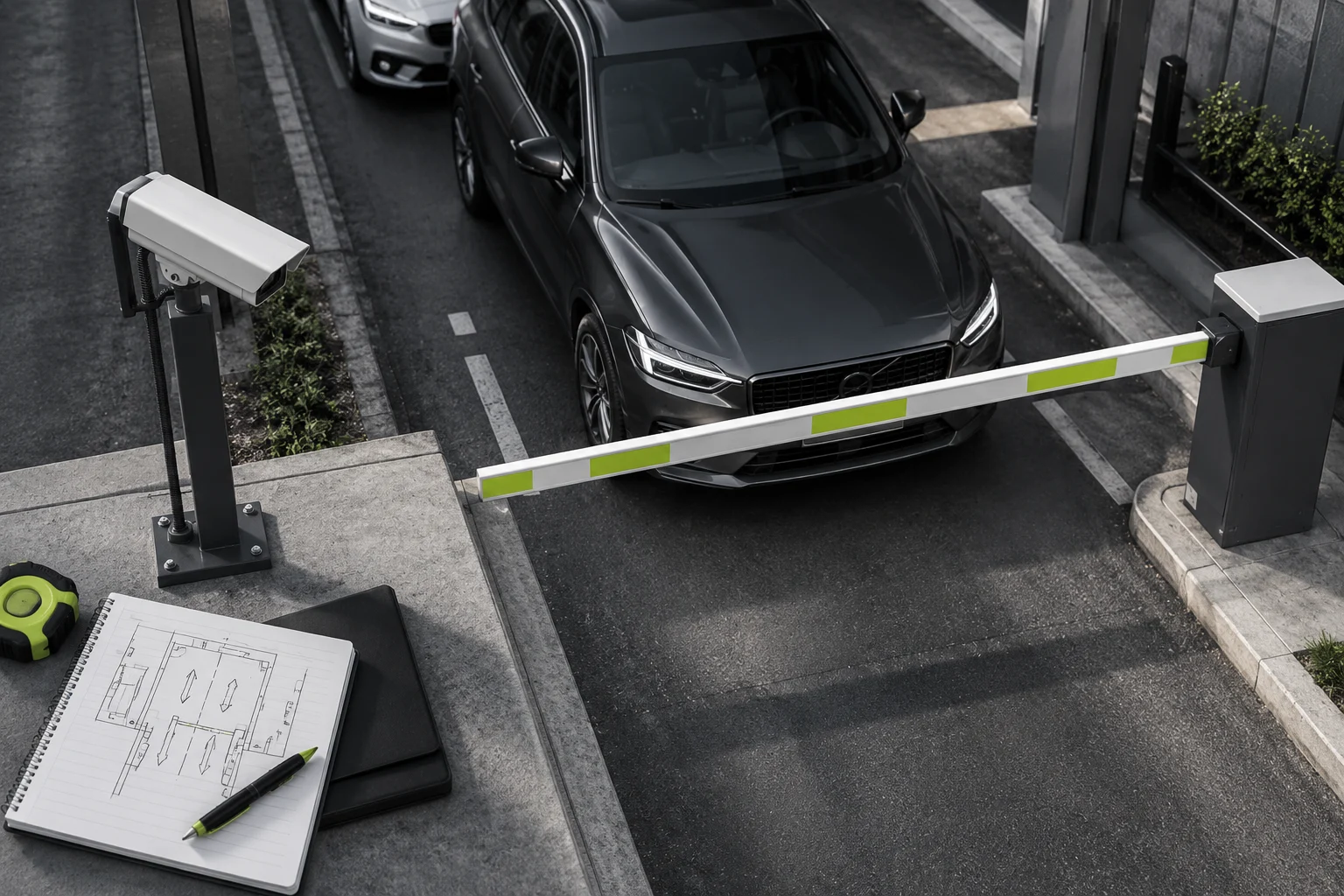
Queues at the barrier, car parks shared between tenants, a changing list of authorised vehicles or a manual entry process that keeps breaking down are the usual reasons to look at number-plate recognition. Record the date the problem began and anything that altered in use, operation or layout, so an emerging fault can be told apart from a limitation the system always had.
Overview
Estate-wide instructions should name each entrance individually. Missed reads can stem from lighting at one site and camera angle at another, so each location's history and constraints stay with it.
Our full service catalogue, including every individual service, is available across every listed sector and location. For one site or several, we agree the scope, access and programme around the buildings concerned.
What the work can include
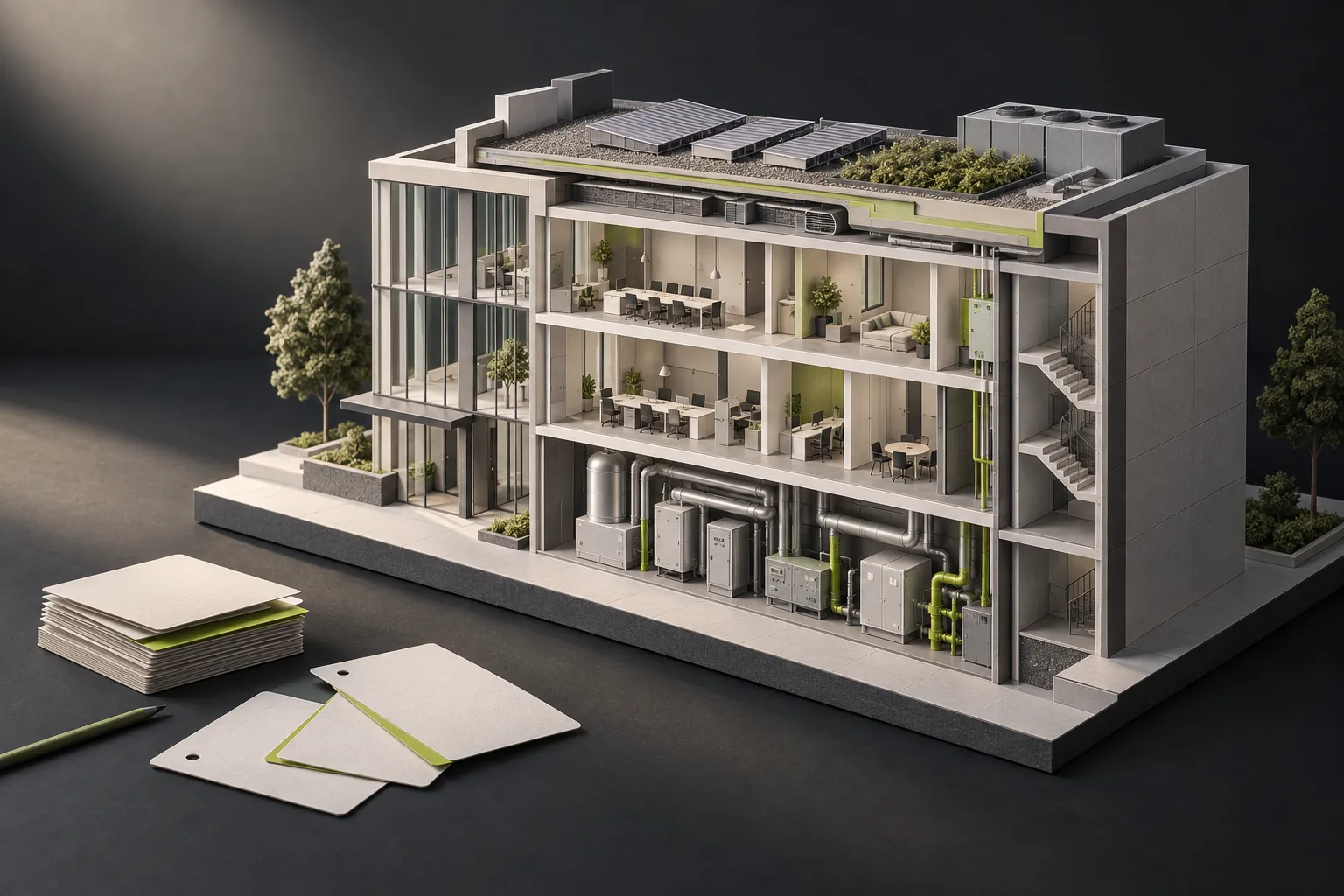
Typical tasks are assessing camera positions against the approach lanes, building the authorised vehicle lists and the exception process, connecting the system to the agreed barriers or gates, and testing both recognition and the access decision that follows. The scope should record what is in, what is out and how completion is reported.
Tie each entrance, camera and barrier to your asset-register reference, so findings serve budgeting, repeat visits and later inspections without re-labelling.
Important decisions
Recognising a plate and deciding whether the vehicle may enter are separate steps, and the second needs its own rules. Deliveries, visitors, unreadable plates and a safe pedestrian route all need planning before go-live.
Before we visit
Provide entrance drawings, a description of daily traffic, details of existing controls, and the proposed rules for authorisation and for how long plate data is kept.
Nominate the person hosting the visit, the person approving technical choices and the person receiving the action list. Establish beforehand whether permits, isolations or coordination with other contractors are required.
How the work proceeds
Sightlines and lighting are surveyed, access rules agreed, equipment installed or reconfigured, and a representative set of vehicle movements tested through the entrance.
Where the entrance is one of several, agree the running order and how material findings reach the decision-maker. Report progress by entrance so outstanding actions are not hidden behind a site sign-off.
What affects cost and timing
Lane geometry, lighting, network availability, the barrier interface and the software arrangement drive the price. Your enquiry and existing records show which elements can be quoted straight away and which need a survey.
Bundling entrances into a single programme can save time, but each site still has its own access windows and operating dependencies to check. Settle the reporting and pricing of additional findings before work begins.
Applications across sectors
Offices and education sites need access permissions that track staff and visitor changes. In residential blocks the priority is dependable communication between residents and callers. Logistics operations handle lorries and pedestrians at the same entrance, and public-facing premises need entry points that suit every visitor. See the sector range.
Locations covered
Work is carried out across Northumberland, Tyne and Wear, County Durham and Tees Valley: Newcastle upon Tyne, Gateshead, Sunderland, Durham, Darlington, Middlesbrough and the towns in our location directory. Where several entrances are at different addresses, send the site list and a local contact able to arrange access at each.
Frequently asked questions
Will ANPR recognise every vehicle in every condition?
No system reads every plate every time. Camera placement, plate condition, vehicle speed, lighting and weather all affect the read rate, so the design needs a practical exception process instead of relying on every read succeeding.
What information should I send about ANPR and vehicle access?
Send entrance layouts, a summary of traffic patterns, details of current controls and your intended authorisation and data-retention rules. State the site and what you are deciding, for example whether to investigate, repair or set up a programme.
What affects the price and programme?
Lane geometry, lighting, network provision, the barrier interface and the software arrangement are the main variables. Further investigation or additional work should be scoped in writing before it is authorised.
What should the completion information explain?
It should state which entrances and equipment were covered, what was done and tested, any limitations and the open actions, matched to your site and asset codes so the next visit can rely on it.
Useful guidance and records
For the decisions and records behind this service, read how commercial access control works. The route from a logged defect to evidenced closure is in remedial-action tracking. The official guidance provides the wider technical and management context that applies.
Related work and your next step
Access Control is the natural companion to this service; the Security, Access and Telecommunications overview covers the category as a whole. Standing arrangements sit under maintenance, larger schemes under projects, and the complete list under services.
Send Black & White Facilities the entrances involved, any findings to date and the constraints on when work can happen; reporting lines and responsibilities are then settled as the job is scoped. Send an enquiry.
Discuss the scope
Tell us what needs attention.
Share the site, the issue and any access requirements so we can discuss the next step.