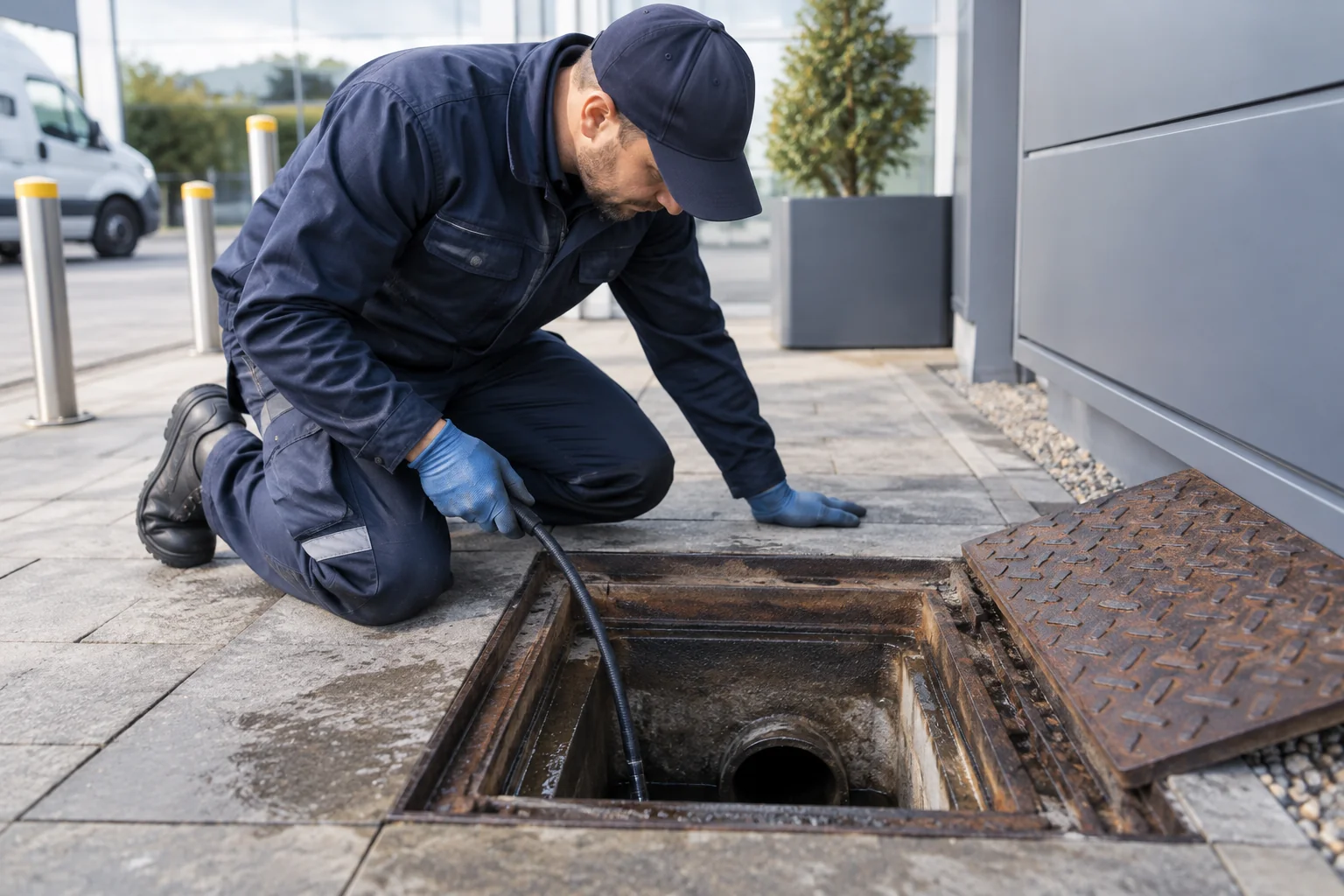

An accessible leaking connection can be scoped differently from unexplained water above a ceiling. The latter needs investigation before a lasting repair can be specified. Acknowledge that uncertainty in the initial instruction instead of presenting both as equivalent plumbing jobs.
The main cost drivers
- Investigation: intermittent symptoms, testing effort and interaction between systems.
- Access: permits, escorts, height, restricted spaces and moving contents.
- Timing: ordinary hours, scheduled outages or urgent attendance outside them.
- Components: specification, procurement, delivery and alterations needed for compatibility.
- Protection: barriers, dust measures, occupied-space safeguards and temporary provision.
- Handover: tests, making good, disposal and required completion documentation.
Compare equal task coverage, time allowances and acceptance requirements. The lowest call-out fee alone is not evidence of the lowest completed-job cost.
What to provide for an accurate quotation
Provide the premises, make and model, safely obtained images, symptoms and onset. Include prior attendances, fault codes and working restrictions. Explain operational and occupier effects so scope responds to the actual site problem.
Identify the approving person and expenditure limit. Where access or diagnostics must precede a fixed repair proposal, authorise that stage explicitly and require written findings and the next decision.
Control changes during the job
A variation should explain the discovery, why scope changes, added tasks, pricing basis and programme effect. Retain its approval with the instruction. Reconcile invoices with work completed and distinguish recommendations not yet delivered.
For repeat failures, compare accumulated attendances with a focused diagnostic or renewal proposal. Recurring disruption can make inexpensive temporary interventions costly over time.
FAQs
Does the call-out charge include a permanent repair?
Only the agreed inclusions establish that. Initial attendance and diagnosis differ from repair labour, materials and verification.
Why can a price change after attendance?
Assessment may expose hidden damage, unavailable parts or additional access work. Obtain approval of revised scope and cost before undertaking the extra tasks.
How can we reduce avoidable maintenance costs?
Supply reliable fault history, secure access, retain equipment information and manage recurring defects as connected findings. These measures help avoid wasted attendance and misdirected repairs.
Related help
Read the purpose of chargeable diagnostics, review reactive delivery and contract options, or submit a maintenance brief.
Compare the complete cost
- Attendance time and any minimum charge or time allowance.
- Diagnosis, labour, parts and specialist equipment.
- Further visits, disposal and completion checks.
Ask the quotation to show VAT, inclusions, exclusions and how any additional work will be agreed. Confirm whether the price covers the complete job or an initial visit.
A useful scope comparison
Making a fault temporarily safe and completing a permanent repair are different outcomes. Ask what the first attendance covers and how a later repair will be quoted.
Request a quotation
Describe the fault, affected area, current impact and safe access, and name the person who can authorise work.