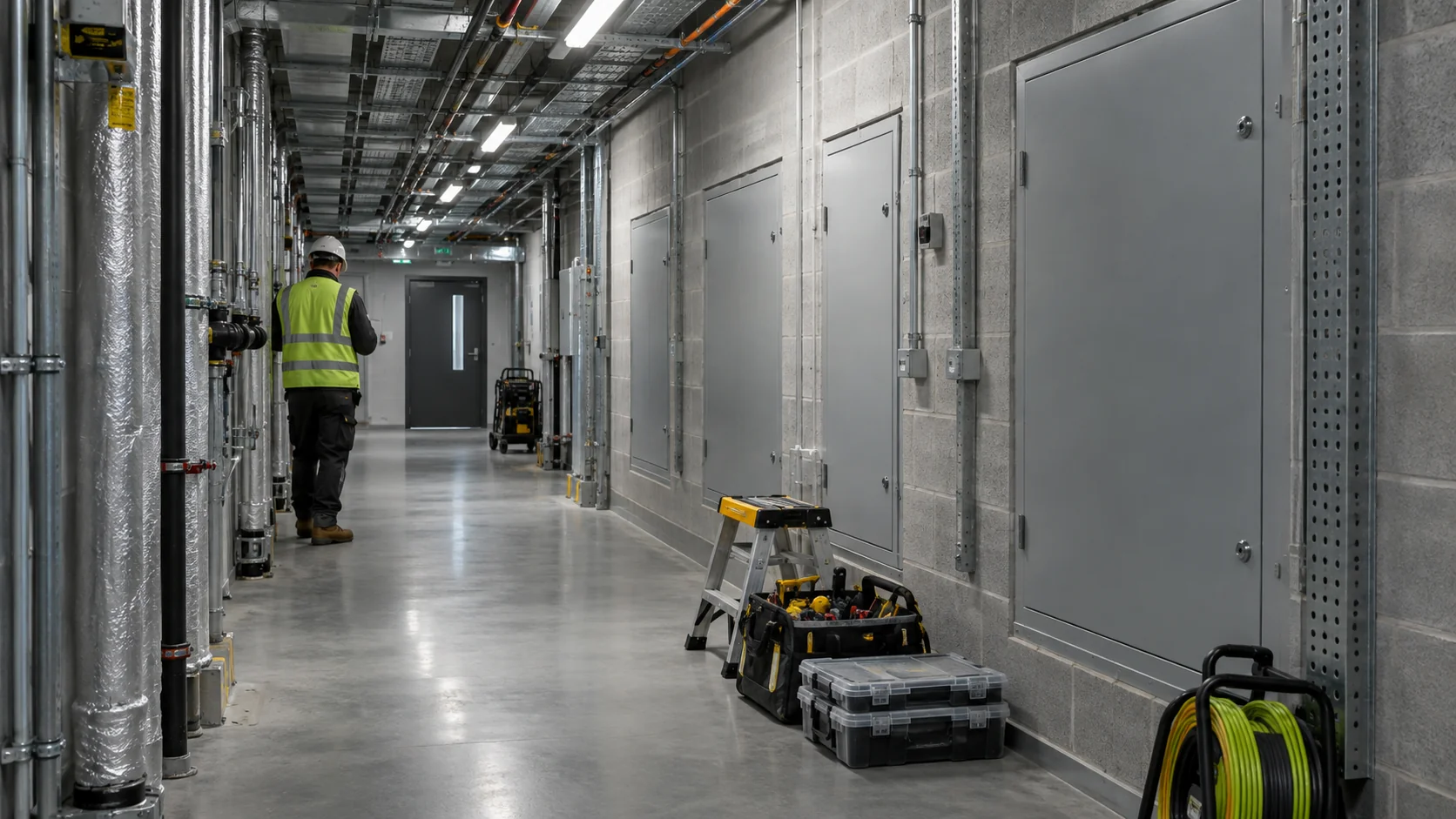

Different activities on one asset can have different intervals. Filter checks, motor service and inspection remain separate tasks even when the programme brings them into a shared attendance.
Establish the requirement before choosing a date
Identify the asset, duty and intended activity before selecting a date. Review instructions, assessments, history and specialist input. Maintenance, testing, inspection and investigation describe different requirements and should not be treated as interchangeable.
work-equipment maintenance guidance addresses competence, manufacturer instructions and safe planning. Its inspection guidance bases inspection need and timing on risk assessment, with operating conditions and manufacturer recommendations taken into account.
Identify any specific legal or technical due point independently. A convenient general service cycle does not supersede the requirement for a particular activity.
Account for how the asset is used
Some tasks follow hours, cycles or observed condition rather than elapsed calendar time. Define the trigger and how it will be measured or monitored.
Consider differences in exposure and use between similar assets. Dust, outdoor conditions, intensive operation and repeated faults can affect the appropriate plan. Infrequent and continuous use should not automatically produce identical schedules.
Maintain the following against each task:
- A consistent asset identity and defined activity.
- The requirement or assessment supporting its timing.
- Reliable evidence of the previous completion.
- The next calendar due point or operational trigger.
- Responsibility for arranging the work and reviewing the basis.
Make the schedule achievable
Prepare parts, permissions, access and shutdown arrangements early enough to meet the requirement. Include communications with the people whose use of the building will be affected.
Combine compatible tasks into visits where practical, retaining individual dates and evidence. Attendance at a site cannot demonstrate completion of every item listed in the programme.
Review timing when evidence changes
Reassess affected timing after replacement, changed duty, recurring defects or revised guidance. Inspection history may support adjustment, but an appropriate assessment and recorded reasoning must support the decision.
Keep missed due points visible and explain delays. Determine recovery and future timing through the relevant technical decision, rather than moving dates to conceal lateness. HSE states that equipment requiring inspection should not be used unless that inspection is known to have occurred.
Common questions
Can every item be serviced annually?
Only where an annual interval is appropriate to each task. A yearly visit is a coordination choice, not a universal requirement across the asset register.
Can we extend an interval to reduce cost?
Savings alone are not a technical basis. Review duties and condition evidence with someone competent to assess the activity before extending its interval.
What if the previous service date is unknown?
Document the uncertainty, seek earlier records and obtain technical assessment to establish the starting position. Do not manufacture a completion date merely to fill a schedule field.
Related maintenance and guidance
Coordinate Planned Preventative Maintenance, Asset Maintenance and Statutory Maintenance. Read what a PPM schedule should include, or discuss your maintenance requirement with the assets, task basis and timing questions.