

Building fabric work defines the part of the property to be repaired or altered and the finish expected afterwards.

Managing agents and property managers look after buildings they neither own nor occupy, which means every job passes through an owner's approval, a tenant's front door and a record that both will later ask to see. Across a portfolio, that calls for a consistent way of logging the reported defect, confirming who authorises spend, arranging access and returning findings the manager can relay without re-interpreting them.
Discuss your requirementsSpecify whether authority extends to investigation, quotation or repair, and how additional tasks are approved. Findings should explain the proposed remedy, connected work and implications of leaving an issue unresolved, giving the manager enough information to present the decision to the owner.
Associate images, reports and expenditure with the address and task. Record unresolved defects rather than implying that one visit completes every issue at the property. Add new equipment information and applicable certificates to the maintained building record.
Name the owner’s approval contact and the person coordinating occupier access. Establish responsibilities for shared installations. Across a portfolio, retain each address, cost and record separately so an estate-level programme does not obscure which property received the work.
Building fabric work defines the part of the property to be repaired or altered and the finish expected afterwards.
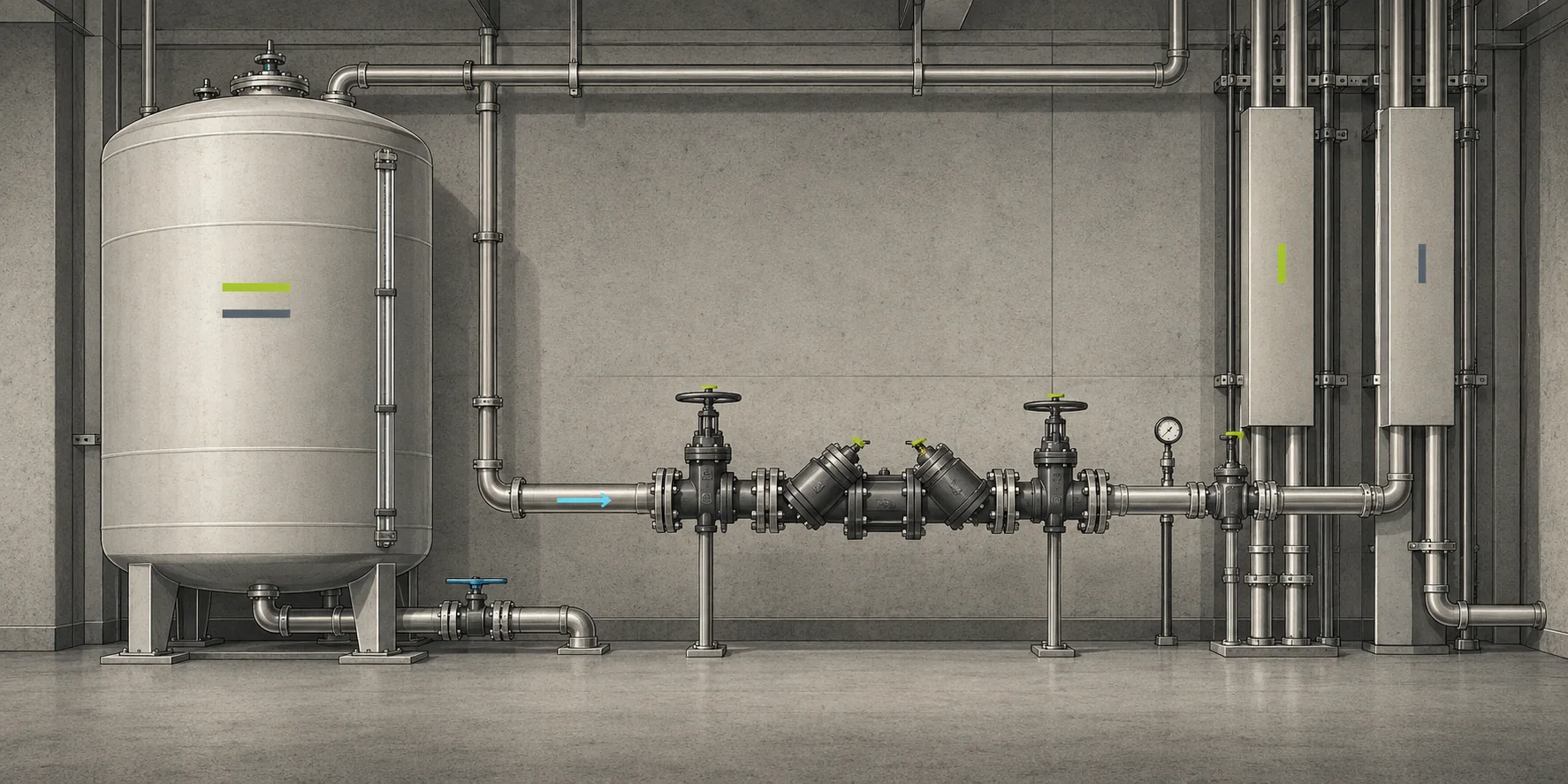
Plumbing and water services links tenant reports and property information to tasks on leaks, outlets and water systems.

Electrical services establish installation boundaries and responsibility before testing, investigation or repair is instructed.
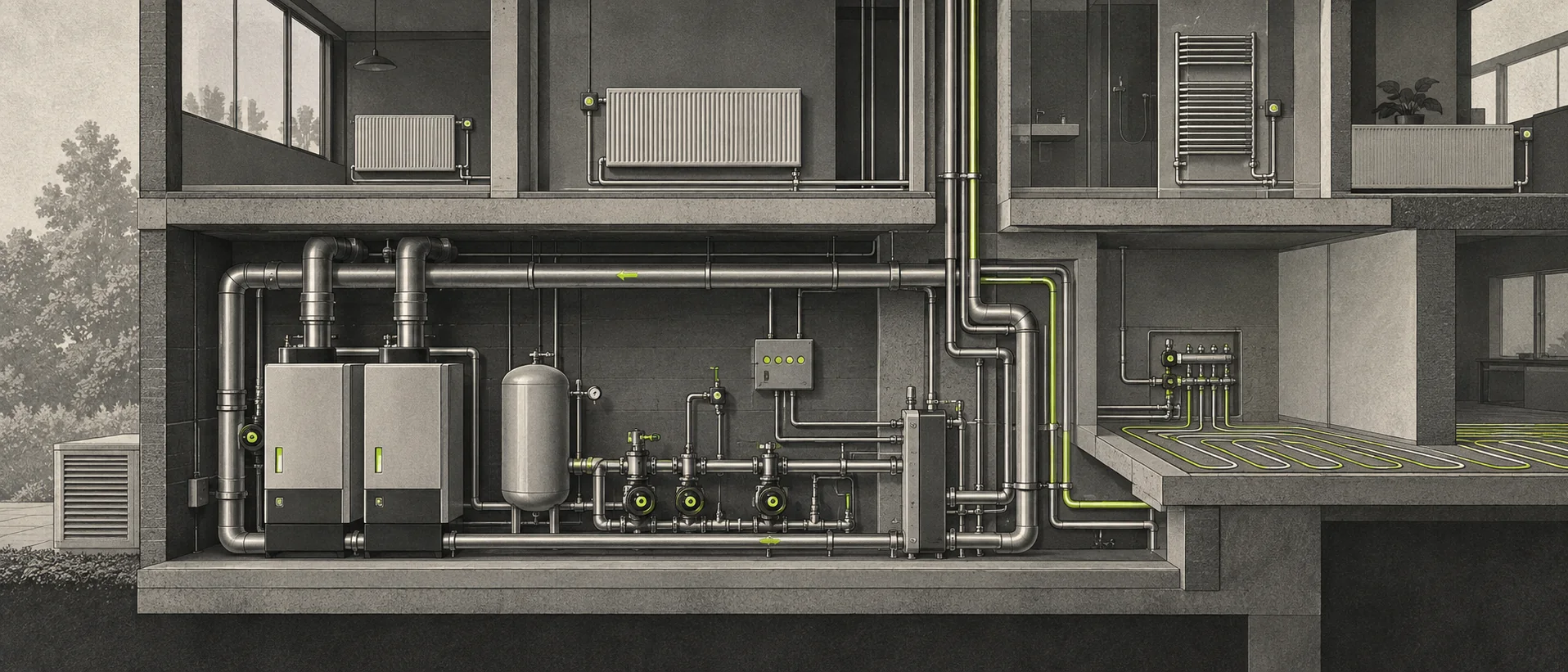
Heating and gas work plans equipment care and heating investigations against the building and the needs of those occupying it.

Roofing work relates condition and repairs to safe access, protection from weather and the effects inside the premises.

Drainage and wastewater services considers shared routes when defining blockage investigations, repairs or recurring maintenance tasks.
Select other required trades from the complete service directory. Scope follows the specific property and instruction, including specialist systems where they are part of that requirement. These examples are entry points for defining work rather than an exhaustive package.
Our full service catalogue, including every individual service, is available across every listed sector and location. For one site or several, we agree the scope, access and programme around the buildings concerned.
Combine related repairs through minor works, or plan changes between occupiers through refurbishment and fit-out. Dilapidations and reinstatement translates agreed schedules into physical tasks; keep professional advice distinct from the work instruction. See the project catalogue for other routes.
Distinguish urgent faults from scheduled maintenance and future renewal. Preserve the history of recurring defects so the owner can assess a longer-term remedy instead of repeatedly approving a temporary repair. Use diagnostic work where the cause remains unclear.
The initial instruction sets the property scope and information needed. Assessment findings support the owner’s decision; subsequent completion records identify what was delivered against that particular approval.
Our location directory records North East England coverage including Newcastle, Gateshead, Sunderland and Durham and areas across Northumberland, Tyne and Wear, County Durham and Teesside. Give a local operational contact and separate address for every property in a portfolio instruction.
Yes. Agree what the investigation covers and which information the owner needs to decide. A repair can then be considered under a separately authorised instruction.
Yes. Identify the authorised person and established access process. Appointment arrangements should be clear, task-specific and coordinated through the manager’s agreed route.
Set out the finding, remedy and included work, alongside the access needed and evidence to be provided at completion. That makes the proposed instruction easier to assess.
Yes. Work can be grouped in one programme, provided each building keeps its own scope, approval and records rather than losing its identity within the portfolio.
Use the guide to follow-on works, the property-condition checklist and refurbishment budgeting guidance to support repair and investment decisions.
Related contexts include residential blocks, office premises and retail estates. Explore the service range, maintenance options, project directory, sector overview and coverage pages.

When you contact Black & White Facilities, identify the property or portfolio, proposed task, approval route and reporting needs. Explain the separate owner and occupier contacts involved.
Discuss your requirements