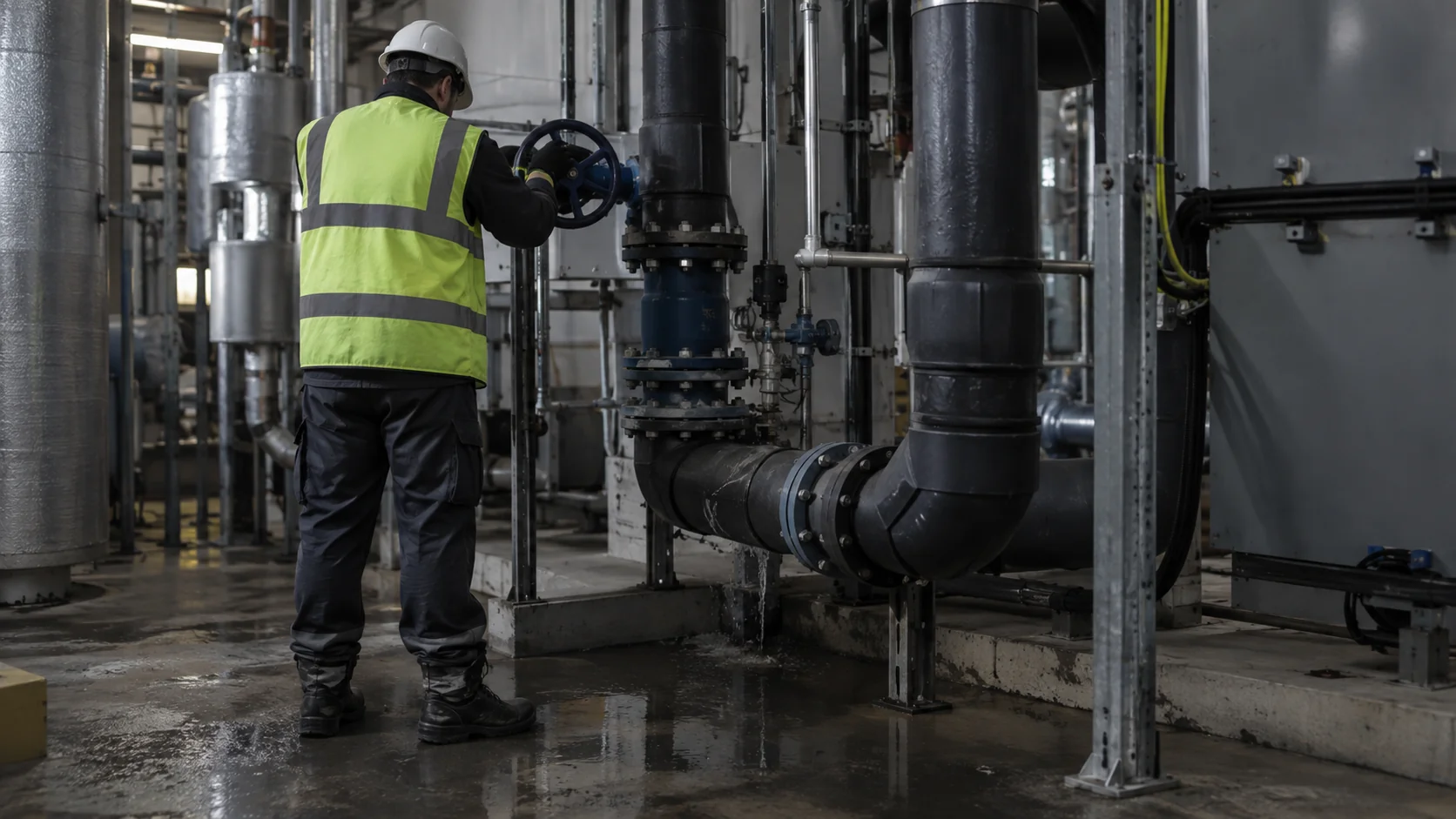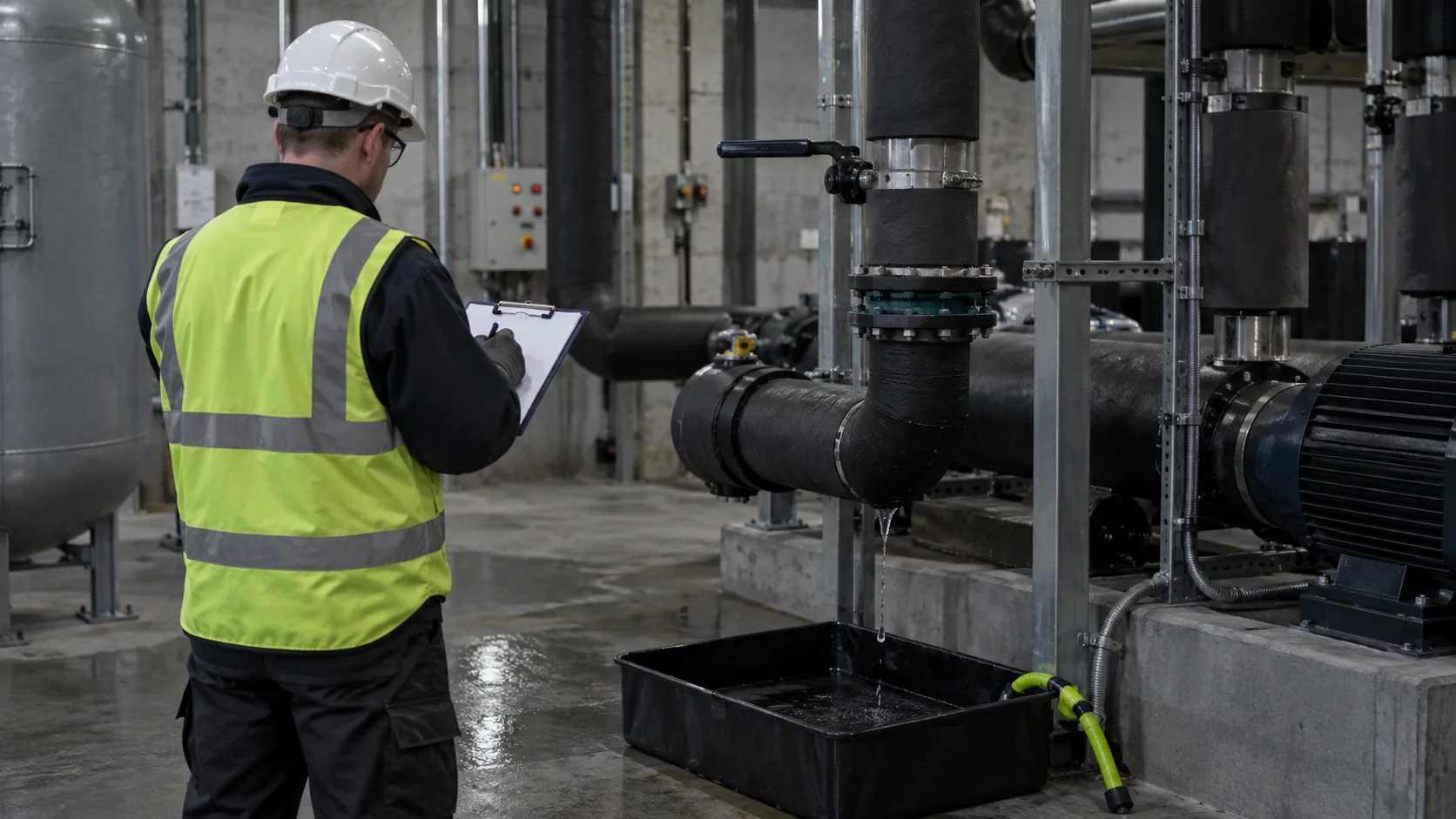
Identify the asset or area, operating circumstances, checks and access limitations in the report. Explain both whether the symptom appeared and the conclusions the evidence can and cannot support.
Improve the symptom history
Capture incident times, duration and changes around each event. Record displayed codes and affected spaces or plant. Link earlier work and component substitutions so the investigation starts from the full history.
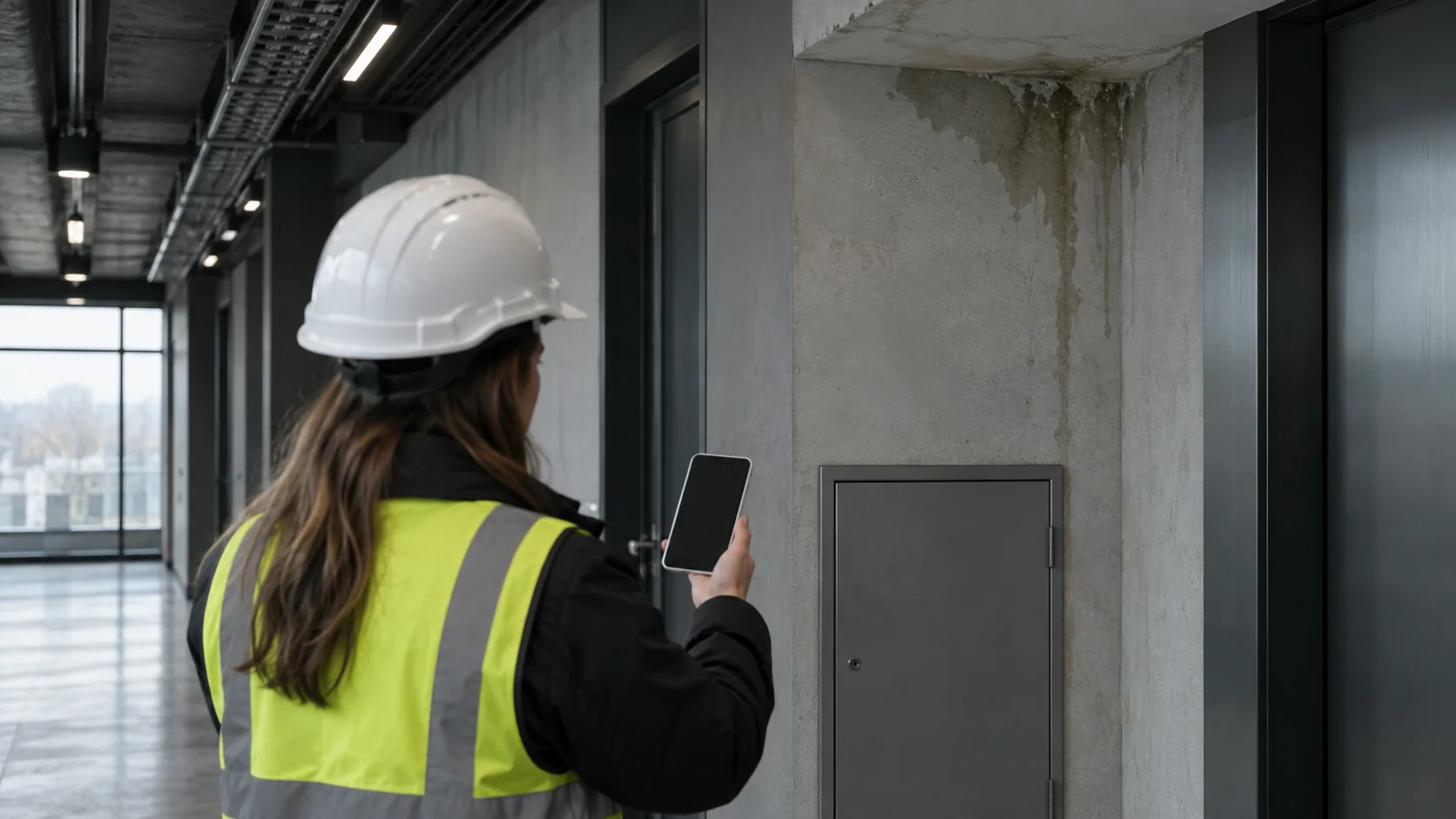
Rain-related ingress may be absent in dry conditions. Dates, safely obtained images and the position of staining can guide further assessment without presenting an unverified source as established.
Agree a purposeful next step
Commission further work to answer a defined question. It may require different attendance timing, assessment of an interconnected system, safe access to a concealed area or observation over a period.
Assign the method, accountable person and review point. For monitoring, define recorded data, action thresholds and responsibility for gaps or unusual results. Collecting information without a response process can leave the defect unresolved.
Keep safety and scope clear
Normal readings do not remove the need to act on later dangerous symptoms. Follow site escalation or emergency procedures when conditions change. Do not use repeated resets or deliberate recreation of hazardous faults as investigative evidence gathering.
Competent testing and safe preparation remain necessary. HSE maintenance guidance explains the need for appropriate expertise and planned controls.
Keep the record open in the right way
Close the instructed diagnostic attendance separately from the continuing issue. Connect the next action to the original findings and retain specialist restrictions or operating advice.
Where further work is not recommended, document the rationale and review triggers. Site users then have a clear route if the reported symptoms recur.
Common questions
Does no fault found mean the equipment is safe?
Only the stated investigation and conclusions are supported. A limited commission is not an assurance covering every operating condition or safety requirement.
Should the same visit simply be repeated?
Identify a useful change first: evidence, access, method, timing or load. Repeating the same checks in unchanged conditions can repeat the same uncertainty.
What should I do if the fault returns?
Report the new incident against the earlier reference, explaining changed circumstances. Use the urgent route for immediate danger or significant deterioration.
Related guidance and services
Read preparing a fault report and diagnostic attendance pricing. Review diagnostic services, condition-led programmes, services, project support, sectors and coverage.