
Black & WhiteFacilities
Black & White Facilities / Commercial maintenance

First-Time Fix

First-time fix means completing the defined repair during the first attendance, with the required checks and records. It is an outcome supported by preparation, not a guarantee that every fault can be resolved in one visit.

Discuss first-time fix
Illustration accompanying first-time fix
Illustration · First-Time Fix
01 / Maintenance

Make the first visit productive

A missing asset reference, locked room or unclear approval limit can prevent straightforward work from being completed. We address those practical dependencies before attendance where the information is available.

Unknown causes, specialist parts and testing requirements can still make further work necessary. The approach is to remove avoidable obstacles while keeping the repair technically sound and its scope clear.

Our full service catalogue, including every individual service, is available across every listed sector and location. For one site or several, we agree the scope, access and programme around the buildings concerned.

02 / Maintenance

Who this is for

For facilities teams, estate operators and managing agents reviewing repeat visits, inconsistent job briefs or maintenance disruption. It applies to individual instructions and the organisation of an ongoing repair service.

03 / Maintenance

What the approach covers

We review request information, trade requirements, likely materials, site access and authority. Outputs include a prepared job instruction, completion evidence and a reason for any follow-on visit, supporting later service improvement.

04 / Maintenance

Typical activities

Check asset details, clarify symptoms, review previous repairs, confirm access and identify whether diagnosis is needed first. Parts preparation follows reliable equipment information rather than assumptions about the item reported.

05 / Maintenance

How a visit is prepared

Establish the required outcome, check the information available, assign the appropriate delivery route and confirm site arrangements. After the visit, record whether the repair was completed and what prevented completion if further work remains.

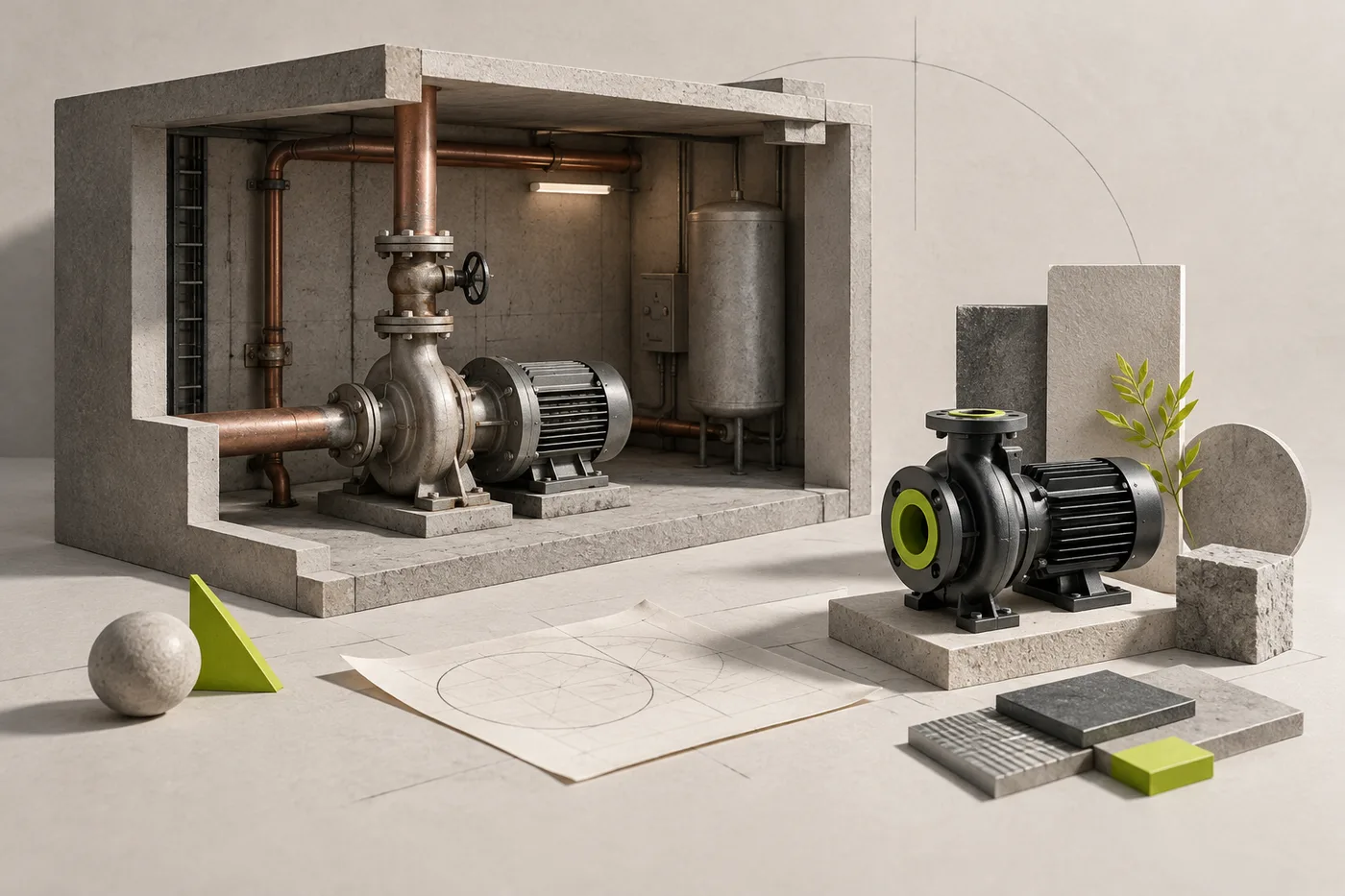
Illustration accompanying commercial maintenance planning
IllustrationPlanning the instruction
06 / Maintenance

Access and preparation

Provide model and asset references, symptoms, photographs where safe and earlier job records. Confirm keys, permits, escorts, shutdowns and spending authority. A site contact who understands the issue can help verify that the original problem has been addressed.

07 / Maintenance

Responsibility and safety

A completion target must support proper work. Appropriate testing, competence and safe access remain part of the instruction. HSE's maintenance guidance explains why preparation and safe working are essential to equipment maintenance.

08 / Maintenance

Priorities and response

We distinguish urgent attendance from readiness for a permanent repair. Some incidents need immediate temporary measures followed by planned restoration. Those stages are reported honestly rather than counting a make-safe visit as a first-time permanent fix.

09 / Maintenance

Asset and performance records

Record the original fault, required outcome, work and follow-on reason. If measuring first-time fix, define eligible jobs, the completion point and how recurrence is treated. Show the underlying job count with the percentage.

10 / Maintenance

What affects scope and cost?

Preparation effort, equipment information, parts, access and the diagnostic uncertainty affect visit planning and cost. Completing more work in one visit can reduce repeat disruption, but holding unsuitable parts or rushing an uncertain repair adds avoidable cost.

Illustration accompanying the choices around maintenance and replacement
IllustrationScope, condition and the next decision
11 / Maintenance

Completion and follow-up

The repair is complete when the agreed result and checks are recorded. If another visit is needed, the handover identifies the parts, access, approval or specialist work required. Repeat faults remain connected to the earlier repair history.

12 / Maintenance

Outcomes and our approach

You gain better-prepared instructions and clearer reasons for repeat attendance. We use those reasons to improve the brief and service arrangements, while preserving the distinction between a completed visit and a resolved fault.

14 / Maintenance

Sectors we support

Retail estates need accurate branch and equipment details. Education needs dependable access windows. Warehousing and logistics needs repairs coordinated with operating areas. Explore the full offering across all sectors.

15 / Maintenance

Locations we cover

We prepare visits across Northumberland, Tyne and Wear, County Durham and Tees Valley, including Newcastle, Gateshead, Sunderland, Durham, Darlington and Middlesbrough. Good site information is especially useful when several premises share similar assets. View all locations.

16 / Maintenance

Guides and useful reading

Frequently asked questions

Can every repair be completed first time?

No. Unknown faults, unavailable specialist parts, access and necessary testing can require further attendance. We distinguish those reasons from avoidable gaps in preparation.

Does making safe count as first-time fix?

Only if the agreed task was specifically the immediate measure and the reporting definition makes that clear. It must not be represented as completion of the outstanding permanent repair.

How should first-time-fix performance be measured?

Define the eligible jobs, required completion evidence and treatment of return visits. Report the count and reasons for follow-on work so the figure has a clear meaning.

What can our site team do to help?

Provide accurate equipment details, symptoms, history and access arrangements. Confirm who can approve work and who can explain the original issue during attendance.

Illustration accompanying first-time fix
Your next step

Improve maintenance visit preparation

Contact Black & White Facilities with examples of repeat visits, typical assets and your current reporting process. We can define the information and arrangements needed for more effective instructions.

Discuss first-time fix

Illustration