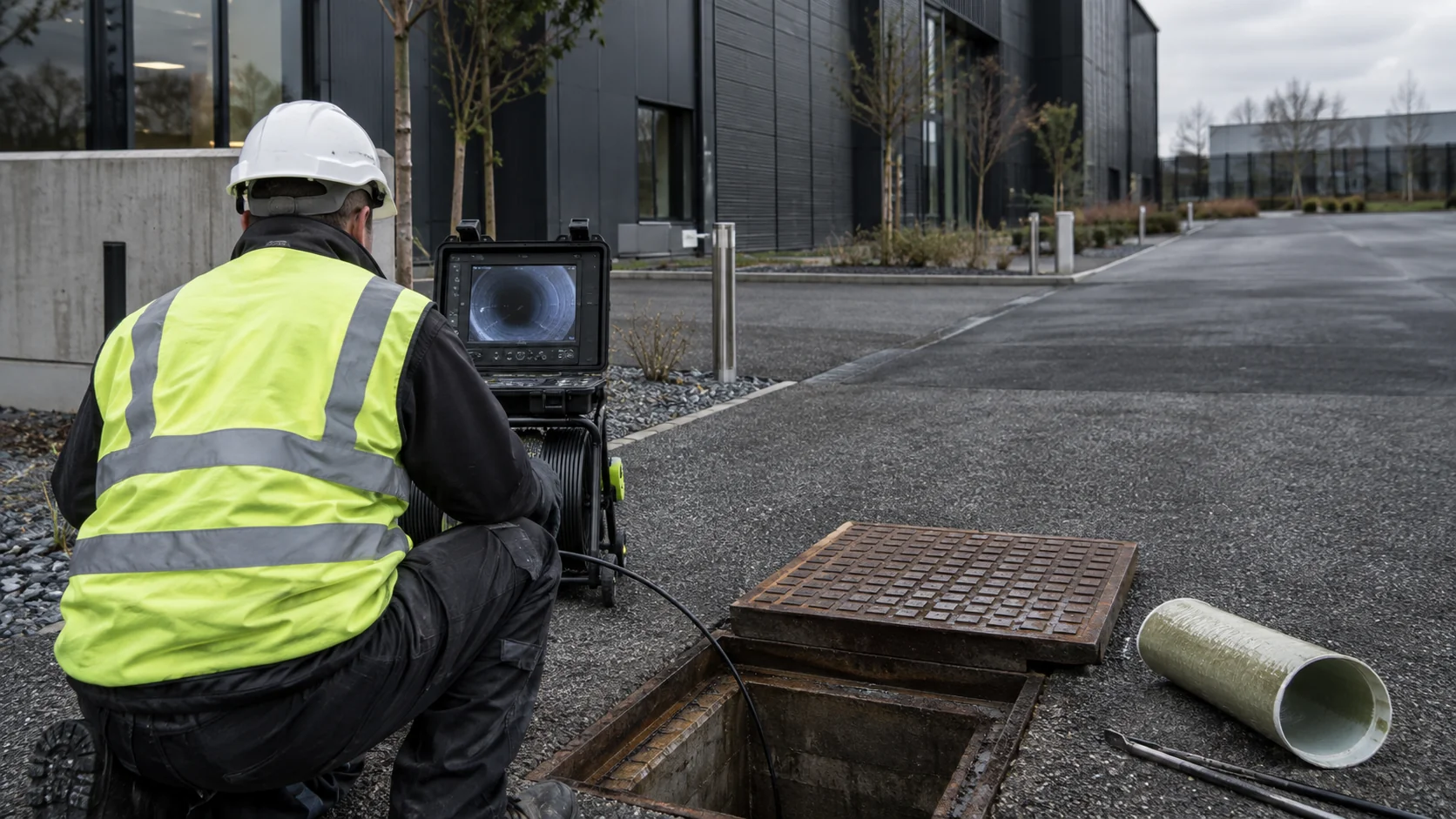
Camera evidence describes accessible internal surfaces, not necessarily surrounding ground or every cause of movement. Define further investigation where those limitations prevent a reasoned choice of repair method.
Specify preparatory cleaning and removal of suitable obstructions. Require the contractor to explain how the existing pipe's readiness for the proposed lining will be established.
Understand the practical limits
A liner retains the pipe route; it cannot correct an unsuitable fall or redirect discharge. Collapse, significant deformation or an obstruction preventing installation may require another method or preliminary local repair.
Assess the reduced bore against the drain's required duty. Branches need an explicit method for locating, treating and checking connections so a completed liner does not block incoming flow.
Installation and curing depend on the selected technology. Renoline's UV process illustrates one approach. Product capability alone does not establish suitability; the actual drain and repair design determine the specification.
Compare lining with excavation
Assess lining where excavation would disrupt occupied floors, operational yards or landscaping. Compare the complete intervention, including preparation, access, temporary restrictions, branches and verification, rather than treating reduced digging as the entire scope.
Excavation enables direct section replacement and correction of position where necessary. Assess depth, buried services, structures, traffic and reinstatement. A combined proposal may reasonably use local excavation with lining on other runs.
Require the recommendation to explain how the method resolves the recorded defect. A price per treated metre cannot replace that technical comparison.
Agree evidence and handover before work starts
Specify the following in the instruction:
- The identified section and defect to be repaired.
- Cleaning, preparation and local remedial work.
- Selected lining system and treatment of branches.
- Restrictions on drainage and arrangements for occupiers.
- Required completion surveys and handover records.
- Outstanding defects and runs outside the commission.
File the initial survey with the completion evidence. Linked records support later maintenance and property decisions, particularly for drains beneath shared or inaccessible areas.
Frequently asked questions
Can every cracked drain be relined?
No. Pipe geometry, extent of damage, access and host suitability determine whether lining is viable. A crack must be assessed before choosing the repair.
Does relining remove the need for any excavation?
Not always. Creating access or correcting a section unsuitable for lining may still require digging. State this explicitly in the proposal before delivery.
Does a lined drain still need maintenance?
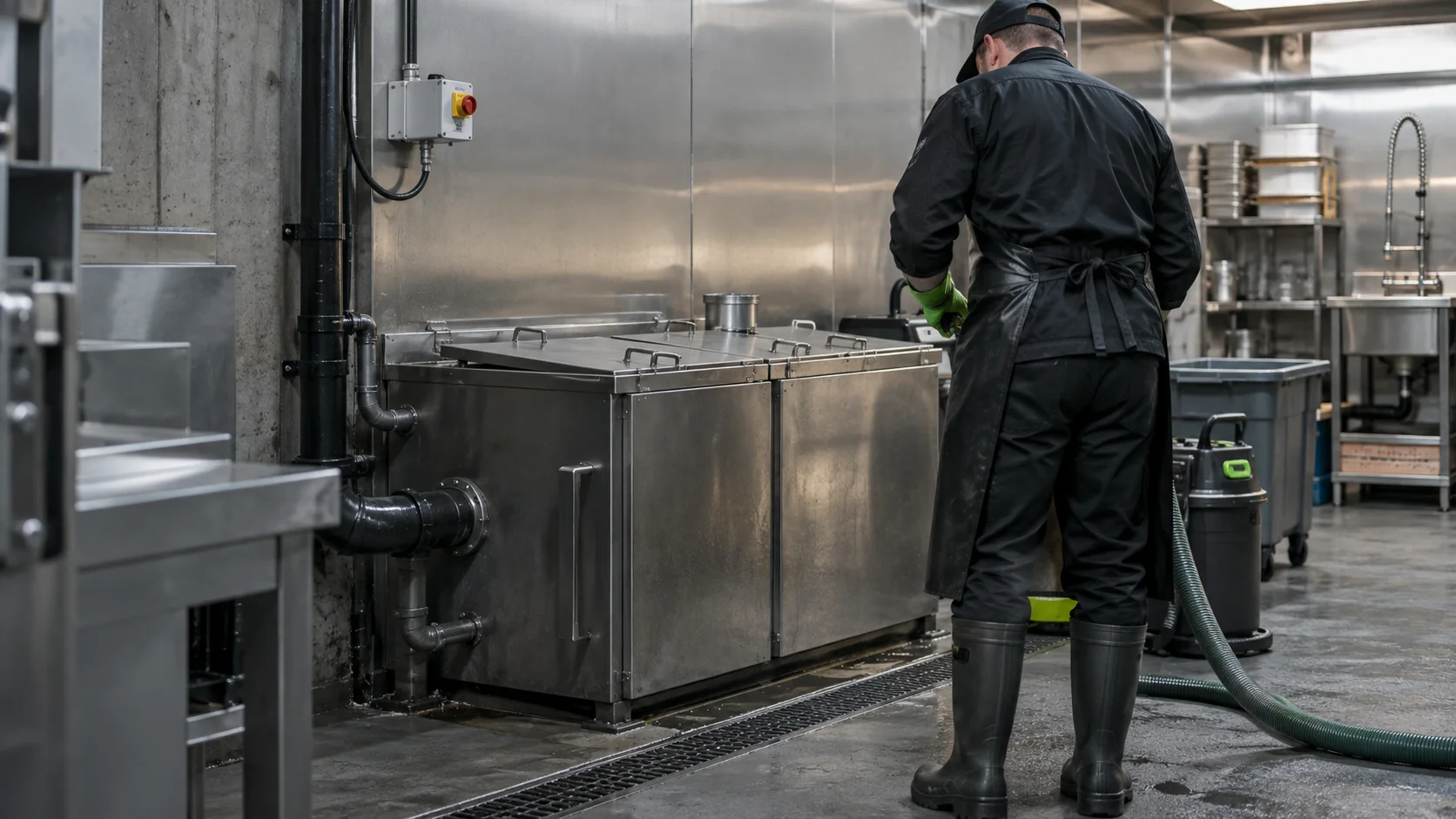
Yes. Lining addresses the specified defect, not misuse. Continue suitable waste practices and upkeep to prevent grease, wipes and other unsuitable material entering the drainage.
Related guidance and services
Read drain survey guidance and repeat-blockage investigation. Explore lining and repair services, drain installation work and survey commissions.
Review service disciplines, maintenance programmes, project delivery, sectors, coverage and technical articles, or submit a drainage repair brief.