

Building fabric work investigates the actual defect before specifying repairs to windows, doors, finishes or other property elements.

Social housing and residential estates are lived in every day, so repairs are arranged around tenants' access and reported to a landlord who must account for the outcome. Asset managers need a repair history that follows each home, not just each ticket, so a returning damp patch or heating failure is traced to its cause rather than patched again. Planned programmes across the estate run alongside that reactive work.
Discuss your requirementsKeep evidence, findings, access limitations and completed tasks linked to the job reference, address and affected element. Use agreed arrangements for personal information. Individual resident details are not needed on the public website.
A reactive repair order should describe symptoms, history and affected users. Preserve repeated findings for fault diagnosis, instead of treating each visit as an unrelated start. The instruction must include the landlord’s or manager’s case priority and required response arrangements.
Agree how residents are contacted, appointments communicated and access problems reported. Where vulnerable occupants affect delivery arrangements, share only the relevant information through the authorised process. Keep it limited to what is needed to undertake the work safely.
Building fabric work investigates the actual defect before specifying repairs to windows, doors, finishes or other property elements.
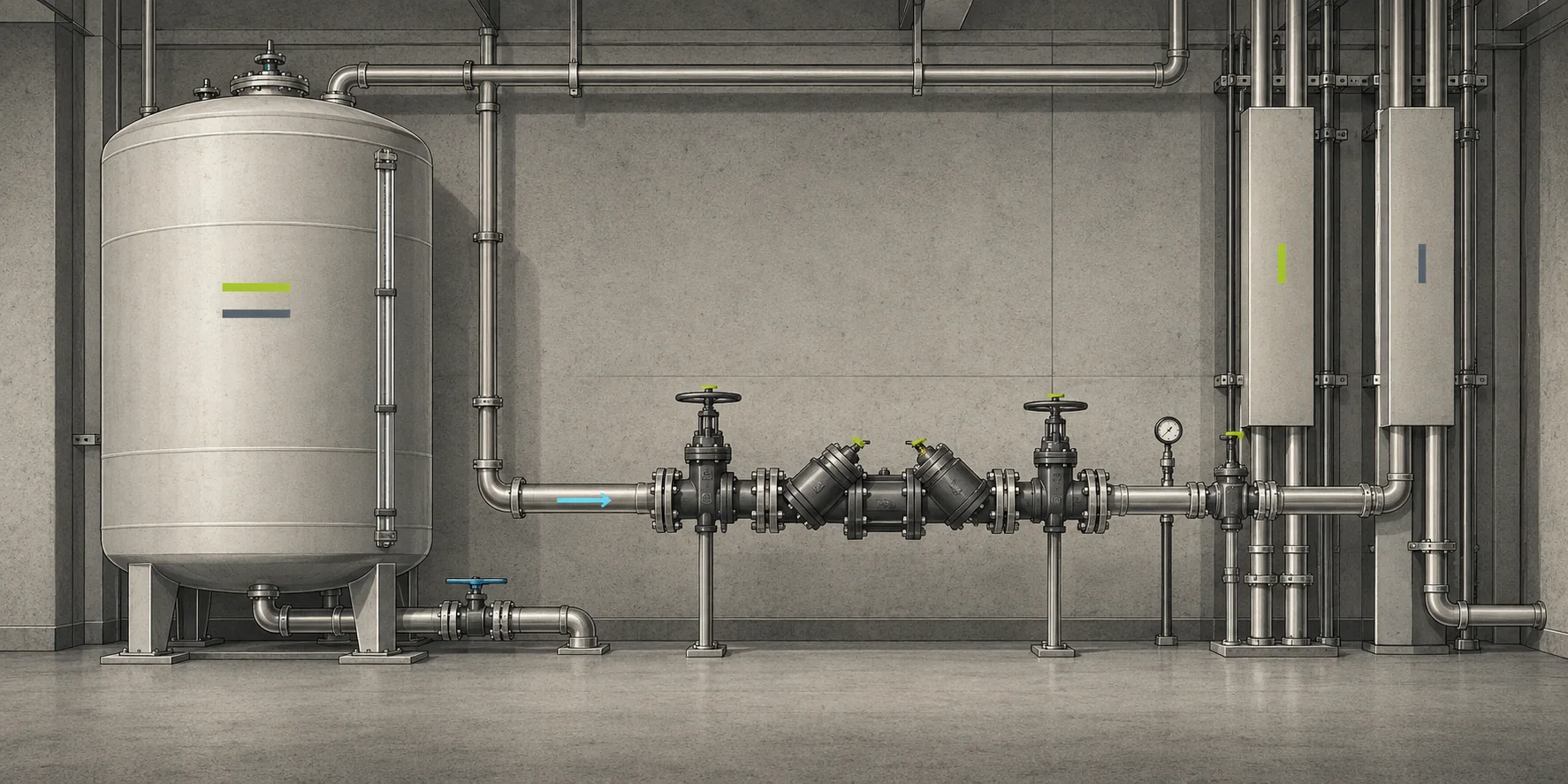
Plumbing and water tasks identify affected rooms and isolation points for leaks, outlets and system work.
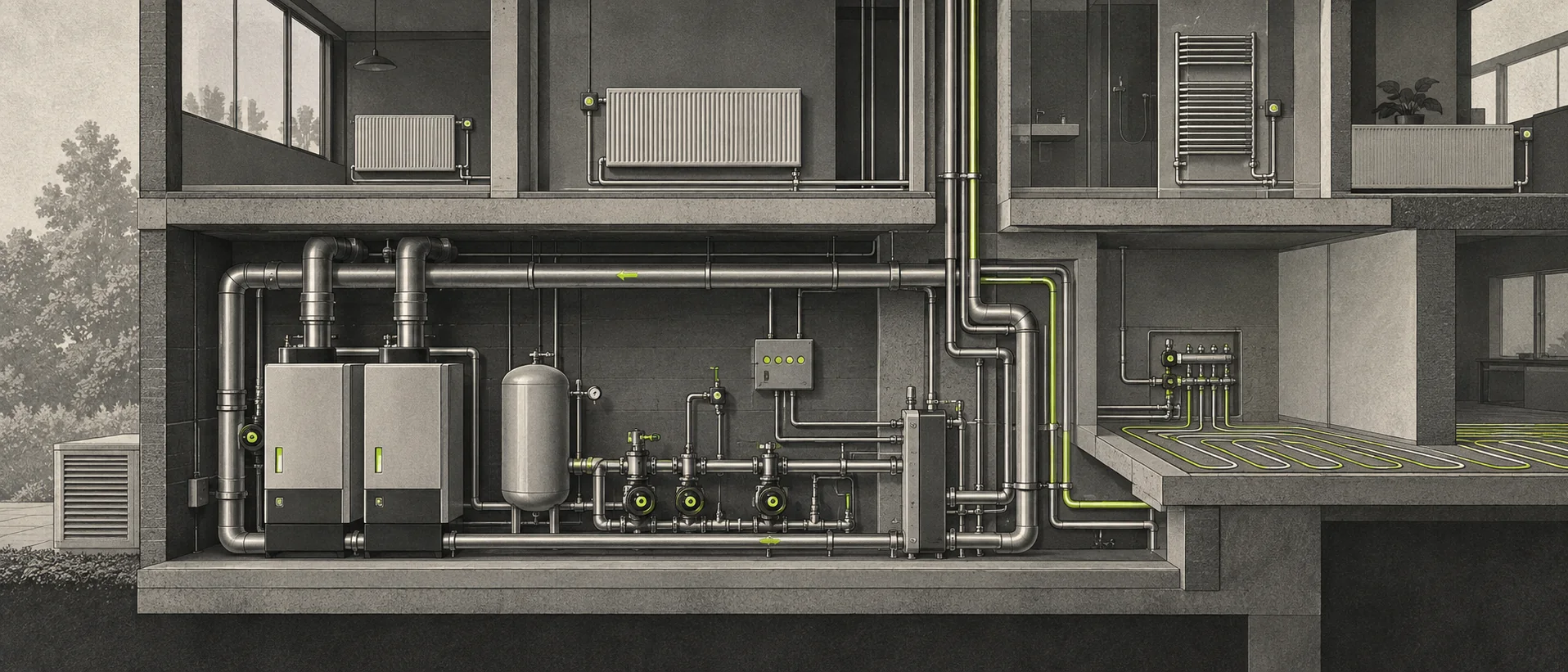
Heating and gas services connect appliance maintenance or heating faults with occupant needs and the arrangements for attendance.

Electrical services define the investigation, repair or test required, together with the records appropriate to the task.

Roofing work examines external condition alongside internal symptoms when investigating weather protection or agreeing repairs.

Grounds and external maintenance covers specified estate access routes, shared outdoor spaces and vegetation tasks.
The wider service directory helps identify other trades required by the property. The agreed instruction determines scope, including specialist systems where relevant. These examples do not replace the need to describe the actual defect and intended result.
Our full service catalogue, including every individual service, is available across every listed sector and location. For one site or several, we agree the scope, access and programme around the buildings concerned.
Use planned replacement programmes for repeated renewal of homes or shared assets. Minor works cover defined improvements, while compliance remedial works connect findings to the landlord’s evidence requirements. Explore further approaches in the project catalogue.
Establish the cause separately from the visible damage. After leaks or damp, decoration follows the necessary investigation and repair, including drying or preparation where required. Report additional findings to the instructing team so new work remains connected to the existing case.
Identify address, priority and authorised task in the work order. Return findings and completed work against that reference, making further actions visible to the landlord or estate team rather than losing them when attendance ends.
Consult our coverage pages for recorded locations across North East England, including Newcastle, Gateshead, Sunderland and Durham and areas of Northumberland, Tyne and Wear, County Durham and Teesside. Identify each estate site and its operational contact separately.
Yes. Supply earlier reports and repairs so the investigation can consider the complete pattern. That history helps avoid treating every attendance as a new, unrelated fault.
Use the agreed reporting process with the landlord or manager and state the task’s actual status. A visit without successful access is not evidence of a completed repair.
Yes. Specify finishes affected and the preparation required. Keep the cause, repair and reinstatement connected in the case record while describing their separate tasks clearly.
Yes. Coordinate compatible work, materials and access while retaining the individual locations and effects on residents within the programme information.
Use the follow-on works guide, property-condition survey checklist and remedial tracking guidance to organise findings and subsequent actions.
Compare block management, managing-agent instructions and public-sector buildings. Find further information in services, maintenance, projects, the sector directory and local coverage.
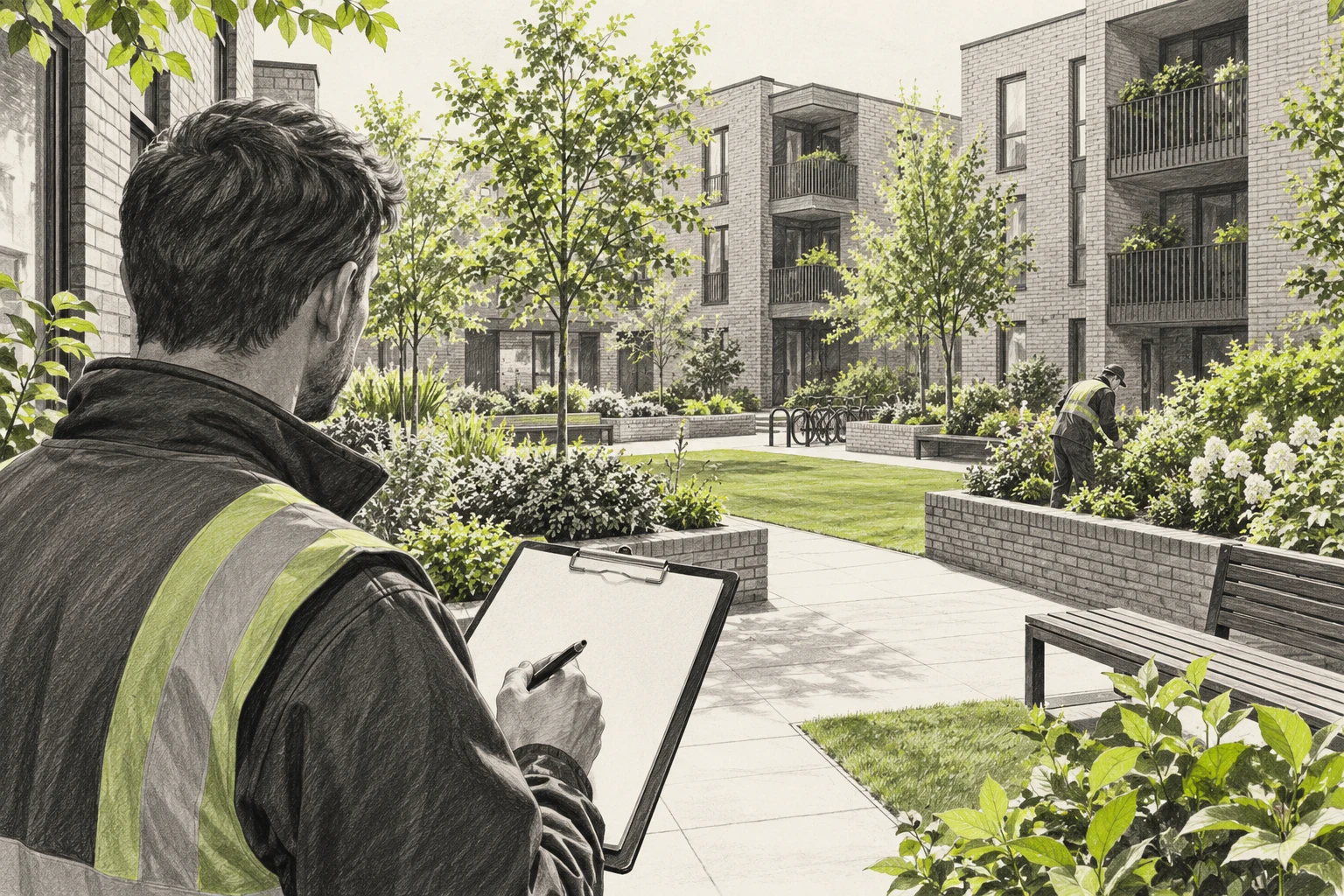
Share the estate or work-order requirement, relevant property history and access process when you contact Black & White Facilities. Name the landlord or manager controlling priorities and follow-up.
Discuss your requirements