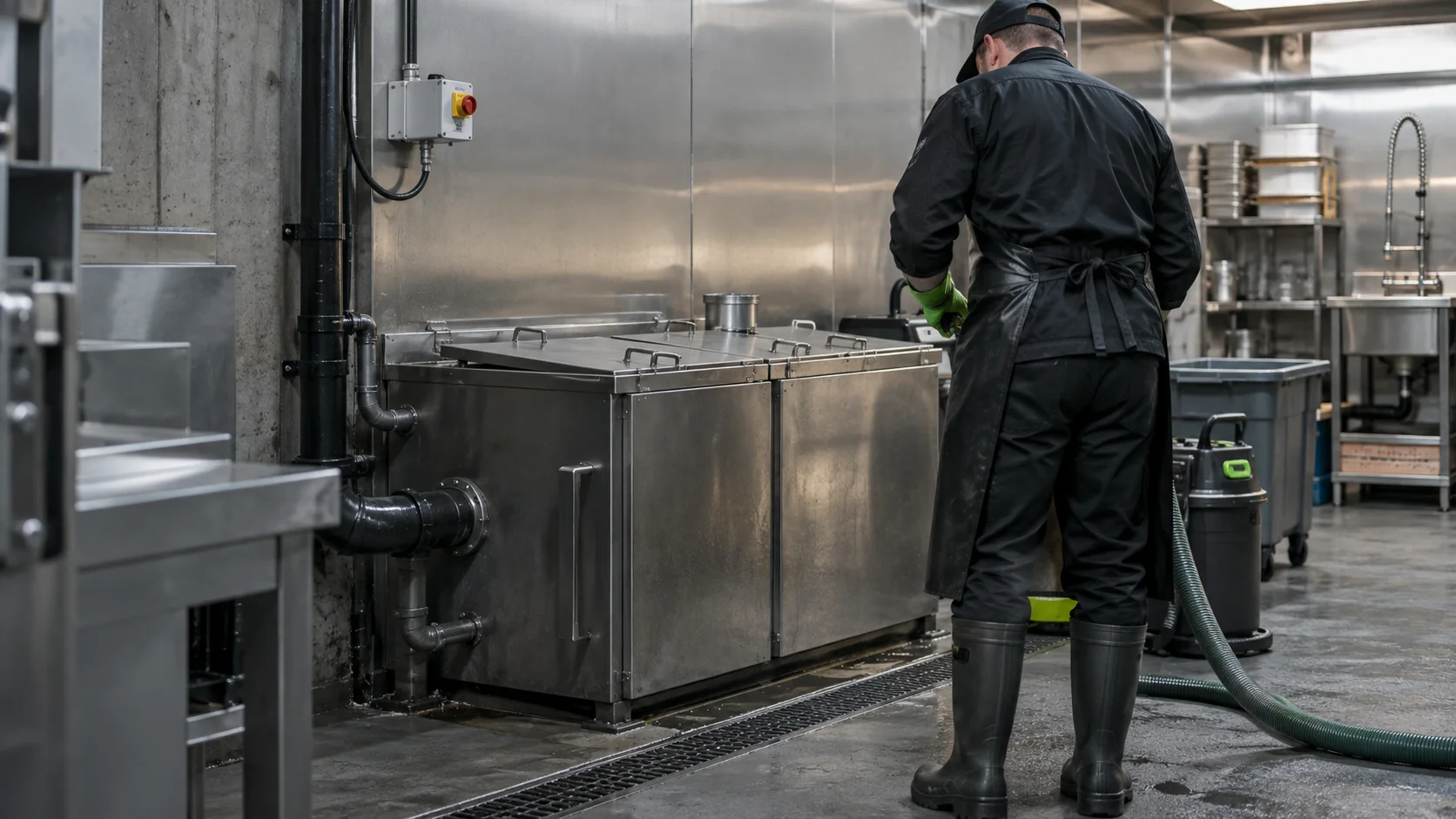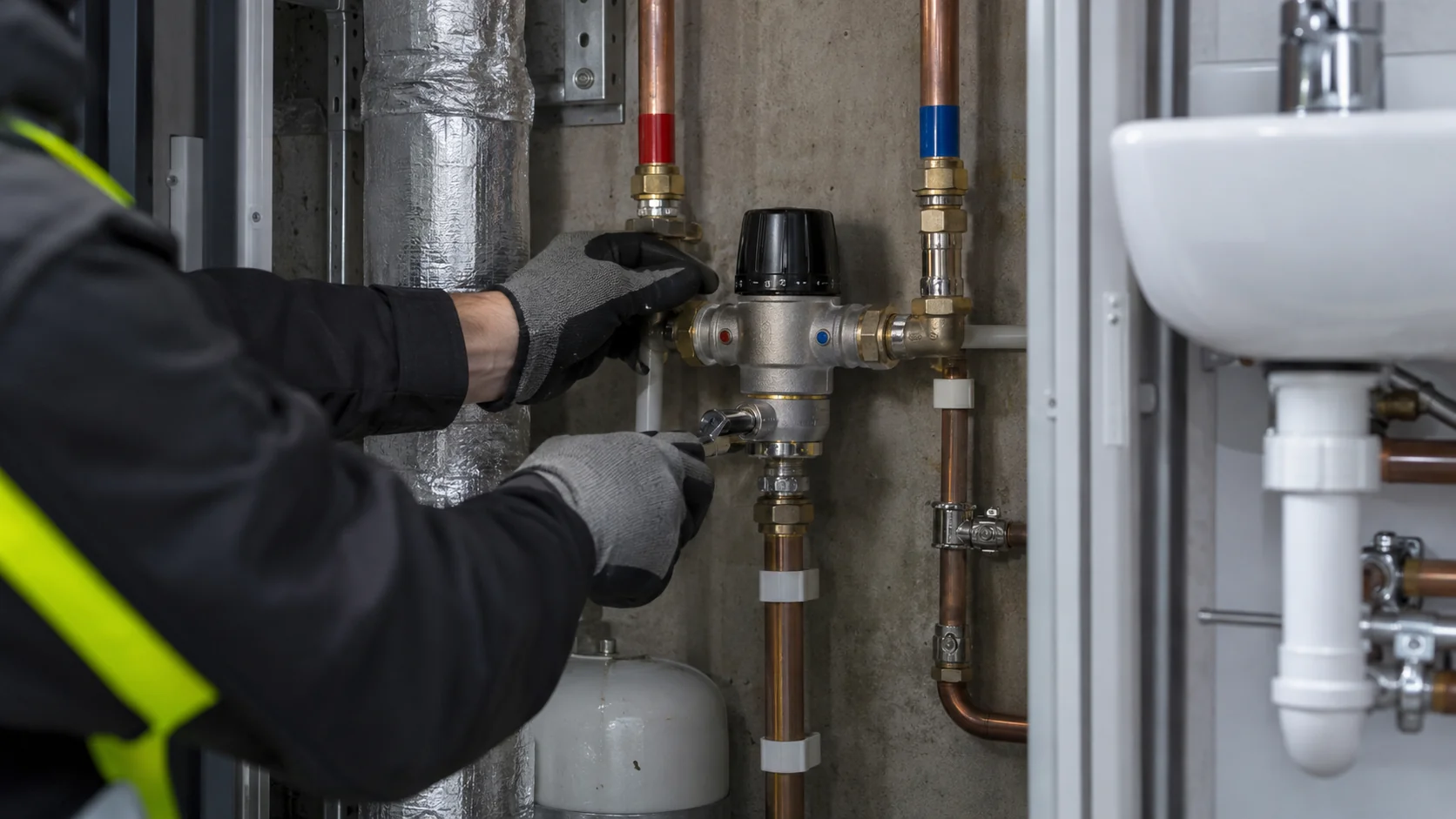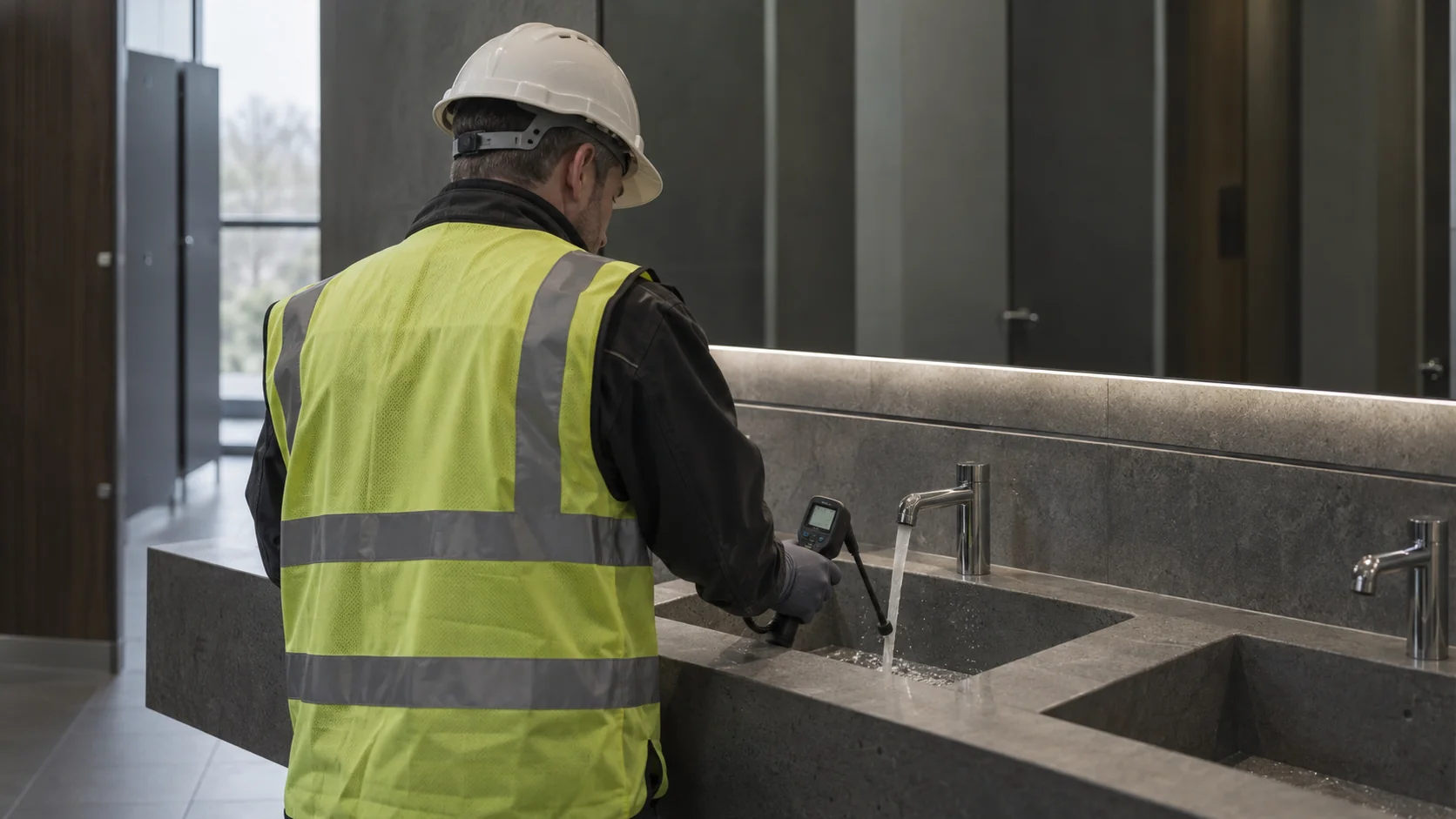
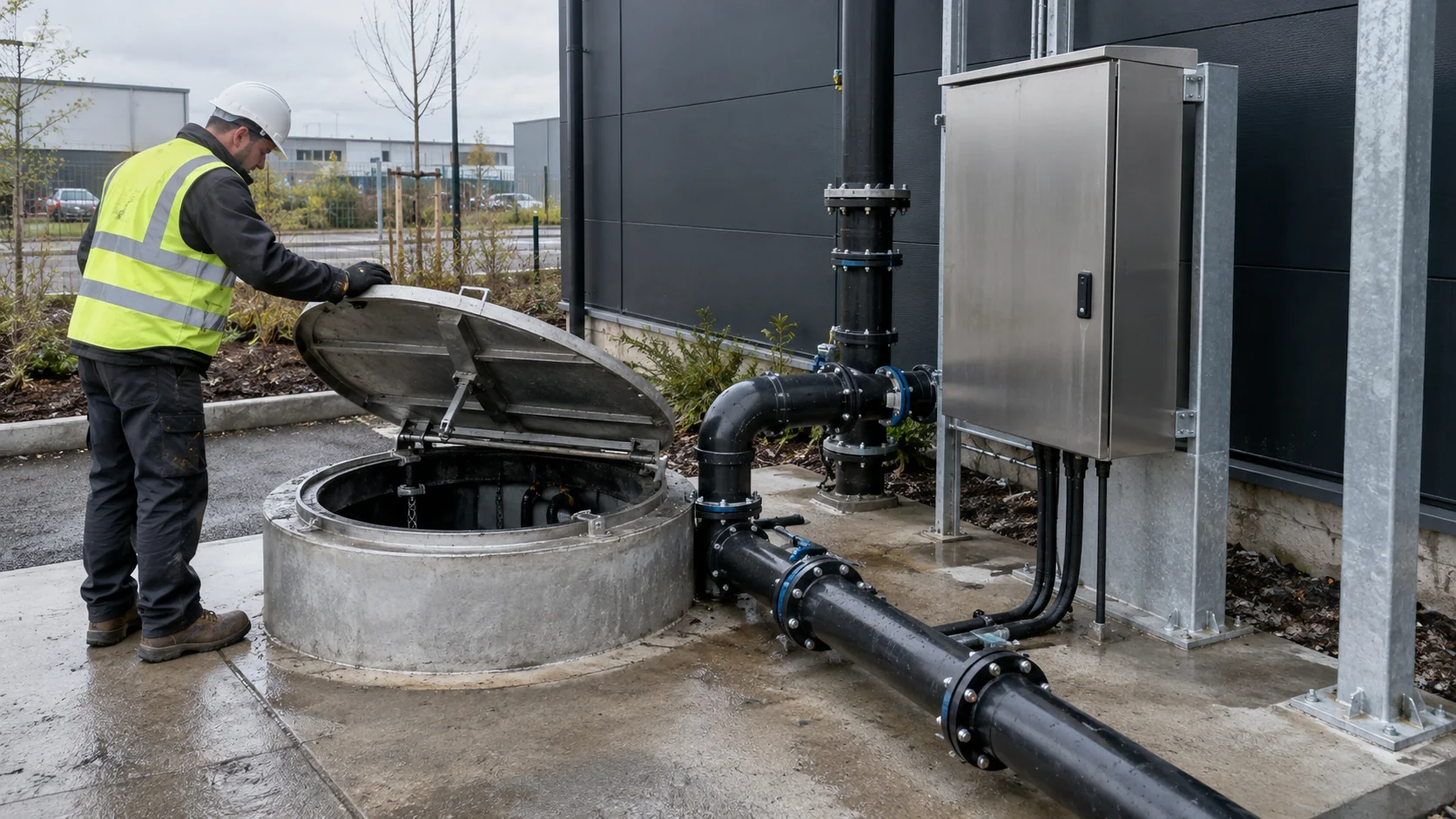
Confirm the installed pump quantity, duty sequence, storage and alarms. Two pumps do not by themselves establish full backup. Identify normal operating requirements and the effect of a component becoming unavailable.
Grundfos explains pump-station monitoring and control functions. What reaches the responsible team depends on the fitted controls and communications together with the site’s response arrangements.
Know what an alarm means on your site
Allocate alarm recipients and actions. Warnings that nobody receives or understands offer no useful response. Make operating instructions accessible during closures and transitions in building occupation.
Record alarm descriptions, times, visible conditions and affected facilities. Avoid repeated resets without diagnosis. Where necessary, restrict connected facilities to prevent further backup and arrange appropriate assistance.
Do not enter the chamber. Dangerous atmospheres and other serious hazards require specific assessment and controls, as explained in HSE’s confined-space guidance. An open cover does not establish safe entry.
What maintenance should cover
Base maintenance on the installed plant and duty. Include relevant level detection, sequencing, alarms, electrical interfaces and discharge arrangements alongside pump tasks.
Distinguish inspection from demonstrated function in the record. Noting a panel’s presence is different from documenting the agreed operational checks and their results.
Investigate recurrence across the whole station. Unsuitable incoming waste, control defects and discharge restrictions need different corrective actions; another pump does not resolve every cause.
Keep useful information together
Retain location, ownership boundary, equipment data, plans, instructions and access requirements together. Add service findings, repair history and the alarm contact route.
Assess duty changes before extensions or altered use. Additional bathrooms, operating hours or wastewater characteristics may change requirements. Confirm suitability through design assessment rather than assuming spare capacity.
Frequently asked questions
Is a sewage pump station the same as a treatment plant?
No. Pumping moves wastewater; treatment changes its condition. Both can exist on one site, with distinct purposes and upkeep requirements.
Does every station have remote monitoring?
No. Verify fitted controls and communications. Establish a recipient and response for every available alarm rather than assuming remote monitoring exists.
Can a working pump still leave sewage backing up?
Yes. Valves, controls or discharge restrictions can prevent effective movement despite pump operation. Investigate the wastewater’s actual progress through the system.
Related guidance and services
Read recurring drain blockages. Define the scope through Sewage Pumps and Pump Stations, Sewage Treatment Systems and Asset Maintenance as applicable.
Review services, maintenance, projects, sectors, locations and the knowledge centre, or discuss pump-station maintenance with the station records and alarm arrangements.